
The Mouse and the Motorcycle PDF: A Comprehensive Guide (Updated 02/11/2026)
Finding a digital copy of “The Mouse and the Motorcycle” in PDF format is surprisingly straightforward, offering convenient access to Beverly Cleary’s beloved tale for readers of all ages․
Numerous online retailers and digital libraries provide legal PDF versions, catering to diverse preferences and budgets, ensuring a seamless reading experience on various devices․
However, discerning between free and paid options is crucial, considering factors like quality, legality, and potential malware risks associated with unauthorized downloads․
Beverly Cleary’s “The Mouse and the Motorcycle” is a timeless classic, captivating generations with its charming narrative and relatable characters․ Published in 1965, this delightful children’s novel introduces us to Ralph S․ Mouse, a resourceful house mouse with a thirst for adventure․ The story beautifully blends fantasy and reality, imagining a world where a mouse can not only interact with humans but also operate a miniature motorcycle․
The PDF format allows readers to easily access and enjoy this beloved story on a variety of devices, from computers and tablets to smartphones․ This accessibility makes it a perfect choice for bedtime stories, classroom reading, or independent exploration․ The narrative centers around Ralph’s discovery of a toy motorcycle and his determination to learn how to ride it, leading to a series of exciting escapades within the Runnels family hotel․
The enduring appeal of “The Mouse and the Motorcycle” lies in its themes of courage, resourcefulness, and the power of imagination․ It’s a story that encourages young readers to dream big and embrace challenges, all while providing a heartwarming and entertaining experience․
About Beverly Cleary and Her Work
Beverly Cleary (1916-2016) was a prolific and highly influential American children’s author, renowned for her realistic and relatable portrayals of childhood․ Her books, including “The Mouse and the Motorcycle,” resonated with readers because they reflected the everyday experiences and emotions of young people․ Cleary’s writing style is characterized by its humor, honesty, and genuine understanding of children’s perspectives․
Before becoming a celebrated author, Cleary worked as a librarian, which provided her with valuable insights into the types of books children enjoyed․ This experience shaped her decision to write stories that would capture their imaginations and foster a love of reading․ Her most famous series, the Ramona Quimby books, alongside titles like “Henry Huggins,” established her as a literary icon․
The PDF availability of her works, like “The Mouse and the Motorcycle,” ensures her legacy continues to thrive, introducing new generations to her timeless stories and enduring characters․ Cleary’s impact on children’s literature is immeasurable, and her books remain beloved classics today․
The Story’s Core Themes
“The Mouse and the Motorcycle”, readily available in PDF format, explores several compelling themes central to the childhood experience․ A primary theme is independence, as Ralph S․ Mouse strives for self-reliance and the freedom to explore his world beyond the confines of the hotel room․ This is vividly portrayed through his determination to master the motorcycle․
Responsibility is another key element; Ralph learns the consequences of his actions and the importance of considering others, particularly Keith․ The story also touches upon resourcefulness and problem-solving, as Ralph navigates challenges and utilizes his ingenuity to achieve his goals․
Friendship blossoms between Ralph and Keith, demonstrating the power of connection despite differences․ The PDF version allows easy access to these themes, fostering discussions about courage, perseverance, and the joys of imaginative play, making it a valuable resource for educators and families․

Understanding the PDF Format & Availability
PDF versions of “The Mouse and the Motorcycle” offer portability and accessibility, allowing readers to enjoy the story on various devices with ease and convenience․
Digital copies are widely available through online bookstores, libraries, and educational platforms, providing multiple avenues for obtaining the PDF format․
Consider compatibility with your device and choose between free or paid versions based on quality and legal sourcing for optimal reading․
Where to Find a Legal PDF Copy
Locating a legitimate PDF copy of “The Mouse and the Motorcycle” is essential to support the author and publisher while ensuring a safe download experience․ Several reputable online platforms offer the book in PDF format․ Major online booksellers like Amazon Kindle Store and Barnes & Noble Nook Books frequently have digital versions available for purchase․
Additionally, digital library services such as OverDrive and Libby allow you to borrow the eBook (and potentially PDF) version with a library card, providing a free and legal option․ Google Play Books is another reliable source for purchasing and reading eBooks, including this classic tale․
Furthermore, checking the publisher’s website, HarperCollins, directly might reveal official PDF availability or links to authorized retailers․ Always prioritize these legal avenues to avoid potential malware or copyright infringement issues associated with unofficial sources․
Free vs․ Paid PDF Versions: Considerations
When considering PDF versions of “The Mouse and the Motorcycle,” the choice between free and paid options requires careful thought․ Free PDFs found on unofficial websites often carry risks, including potential malware, viruses, and compromised data security․ These downloads may also violate copyright laws, supporting illegal distribution․
Paid versions, purchased from authorized retailers like Amazon or Barnes & Noble, guarantee a safe, high-quality reading experience․ These purchases directly support Beverly Cleary’s legacy and the publishing industry․
Furthermore, paid PDFs typically offer features like adjustable font sizes, search functionality, and compatibility across various devices․ While the allure of a free download is tempting, the potential drawbacks often outweigh the cost savings, making a legitimate purchase the more responsible and enjoyable choice․
PDF Compatibility and Device Access
The beauty of the PDF format lies in its universal compatibility․ A PDF copy of “The Mouse and the Motorcycle” can be readily accessed on a vast array of devices, including smartphones, tablets, laptops, and desktop computers․ This accessibility makes it ideal for reading on the go or settling in for a cozy reading session at home․
Most devices have built-in PDF readers, such as Adobe Acrobat Reader, which is available for free download․ Alternatively, web browsers like Chrome and Safari can also open and display PDF files directly․
However, file size and PDF version can sometimes impact performance on older devices․ Ensuring you have the latest PDF reader installed will optimize the reading experience, providing smooth page turns and clear text rendering across all your preferred platforms․
Key Characters in the Story
Exploring the characters—Ralph, Keith, and the Runnels hotel—enhances the reading experience of “The Mouse and the Motorcycle” PDF, revealing their pivotal roles․
Understanding their motivations and interactions deepens appreciation for Cleary’s storytelling, making the PDF a richer literary journey for all readers․
Ralph S․ Mouse: The Protagonist
Ralph S․ Mouse, the adventurous spirit at the heart of “The Mouse and the Motorcycle,” is a captivating character brought to life within the PDF version of the story․
He’s not just any mouse; Ralph possesses a remarkable curiosity and a yearning for excitement, setting him apart from his peers․ His discovery of the miniature motorcycle sparks a thrilling journey of learning and self-discovery․
Within the PDF, readers witness Ralph’s determination as he masters the art of riding, facing numerous challenges with courage and ingenuity․ His character embodies themes of responsibility and problem-solving, making him a relatable and inspiring figure․
The PDF format allows for close examination of Ralph’s personality through Cleary’s descriptive writing, highlighting his bravery, resourcefulness, and unwavering spirit․ He’s a truly memorable protagonist, making the story a timeless classic․
Ralph’s journey resonates with readers, demonstrating that even the smallest creatures can achieve great things with determination and a little bit of courage․
Keith: The Boy and His Role
Keith, the young boy in “The Mouse and the Motorcycle,” plays a pivotal, though often indirect, role in Ralph’s adventures, vividly portrayed within the PDF edition of the book․
He’s the owner of the miniature motorcycle, unknowingly initiating Ralph’s thrilling escapades․ Keith’s kindness and imagination are subtly woven throughout the narrative, creating a sympathetic connection between the boy and the mouse․
The PDF allows readers to appreciate how Keith’s presence motivates Ralph’s actions and shapes the story’s events․ While not a central character in terms of direct interaction, his influence is undeniable․
Through the PDF’s text, we see Keith’s developing understanding of Ralph’s existence, hinting at a potential friendship that transcends species․ His role emphasizes themes of empathy and respect for all living creatures․
Keith’s character adds depth to the story, demonstrating the power of imagination and the potential for connection in unexpected places․
Runnels: The Hotel and Its Significance
Runnels, the grand hotel setting of “The Mouse and the Motorcycle,” is far more than just a backdrop; it’s a character in itself, richly detailed within the PDF version of the story․
The hotel’s vastness and complexity provide Ralph with a miniature world to explore, filled with both opportunities and dangers․ The PDF format allows readers to fully visualize the hotel’s intricate layout and bustling atmosphere․
Runnels represents a human world scaled down to a mouse’s perspective, highlighting themes of adventure and self-reliance․ Its significance lies in providing a challenging environment for Ralph to navigate․
The hotel’s numerous rooms, hallways, and hidden spaces become Ralph’s playground, fostering his ingenuity and resourcefulness․ The PDF enhances this sense of exploration through vivid descriptions․
Ultimately, Runnels symbolizes the broader world beyond Ralph’s mouse hole, encouraging readers to embrace curiosity and overcome obstacles․

Plot Summary & Analysis
The PDF unveils Ralph’s exciting journey, from discovering a miniature motorcycle to mastering its operation, facing challenges, and ultimately proving his courage and resourcefulness․
Analyzing the narrative within the PDF reveals Cleary’s masterful storytelling, blending adventure with relatable themes of independence and responsibility for young readers․
The Initial Encounter with the Motorcycle
Within the pages of the “The Mouse and the Motorcycle” PDF, the story truly ignites when Ralph S․ Mouse first lays eyes upon the gleaming red motorcycle․ This isn’t just any object; it’s a magnificent miniature machine left behind by a young boy, Keith, during a stay at the Mountain View Motel․
The PDF vividly depicts Ralph’s initial fascination and burgeoning desire to interact with this incredible find․ He’s captivated by its size, its shiny chrome, and the mysterious controls․ This encounter isn’t merely a plot point; it’s the catalyst for Ralph’s entire adventure, sparking his ambition to learn to ride․
The PDF allows readers to experience Ralph’s cautious approach, his tentative touches, and the sheer wonder he feels as he begins to understand the motorcycle’s potential․ It’s a pivotal moment, setting the stage for the challenges and triumphs that lie ahead, all beautifully illustrated within the digital text․
Ralph’s Learning Curve: Riding the Motorcycle
The “The Mouse and the Motorcycle” PDF beautifully details Ralph’s arduous journey to master the art of motorcycle riding․ Initially, his attempts are clumsy and comical, filled with crashes and near misses, vividly portrayed through Cleary’s descriptive prose within the digital pages․
The PDF showcases Ralph’s determination as he painstakingly learns to operate the throttle, steer, and balance․ He utilizes everyday objects – a spool, a pencil – as makeshift training tools, demonstrating remarkable ingenuity․ Each successful maneuver, however small, is a victory celebrated within the narrative․
Through the PDF, readers witness Ralph’s growing confidence and skill, culminating in exhilarating rides around the hotel room․ This learning curve isn’t just about riding a motorcycle; it’s about perseverance, problem-solving, and the thrill of achieving a seemingly impossible goal, all accessible within the PDF format․
The Challenges and Adventures Ralph Faces
The “The Mouse and the Motorcycle” PDF vividly portrays the numerous obstacles Ralph encounters while embracing his newfound freedom․ Beyond learning to ride, Ralph faces the constant threat of being discovered by humans, requiring stealth and quick thinking, all detailed within the accessible PDF․
The PDF highlights his daring adventures, like the urgent need to acquire a headlight for a sick friend, requiring a perilous journey to the vending machine․ These missions aren’t merely escapades; they demonstrate Ralph’s courage and compassion․
Furthermore, the PDF reveals the challenges of maintaining the motorcycle itself – finding fuel and making repairs․ These trials test Ralph’s resourcefulness and solidify his bond with Keith, creating a compelling narrative readily available in the digital PDF format․
“The Mouse and the Motorcycle” and Mouse Without Borders
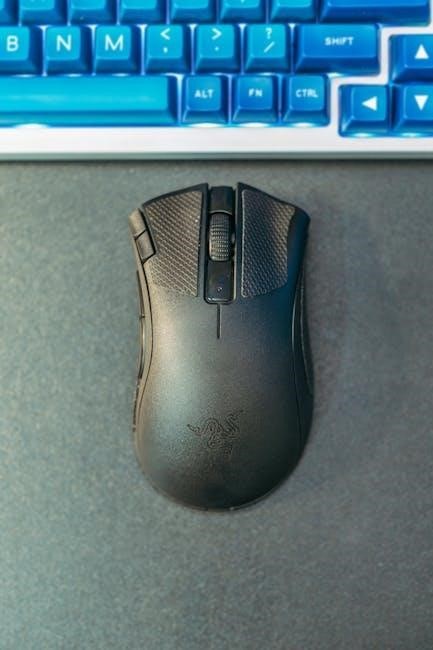
Interestingly, the “Mouse” theme connects to Microsoft’s “Mouse Without Borders,” enabling control of multiple computers from a single input, mirroring Ralph’s ambition․
The Connection: Shared “Mouse” Theme
The whimsical title, “The Mouse and the Motorcycle,” unexpectedly finds a modern echo in Microsoft’s “Mouse Without Borders” utility․ While seemingly disparate, both center around the concept of a “mouse” extending its reach and capabilities beyond conventional limitations․
In Cleary’s story, Ralph S․ Mouse dreams of experiencing the world on a grander scale, achieving this through the thrill of riding a miniature motorcycle․ Similarly, “Mouse Without Borders” allows a single mouse to “travel” between multiple computers, effectively expanding the user’s control across a digital landscape․
This parallel isn’t merely coincidental; it highlights a recurring human fascination with empowering smaller entities – be they fictional rodents or input devices – to overcome boundaries and achieve remarkable feats․ Both narratives celebrate ingenuity and the desire to transcend limitations, albeit in vastly different contexts․
The shared “mouse” theme serves as a playful bridge between classic children’s literature and contemporary technology, demonstrating how fundamental concepts can resonate across generations and mediums․
Mouse Without Borders Functionality Explained
Mouse Without Borders (aka․ms/mm) is a free Microsoft Garage project designed to streamline multi-computer workflows․ It allows a single mouse and keyboard to seamlessly control up to four PCs, eliminating the need for separate peripherals for each machine․
Functionality relies on a shared network connection; computers must be on the same network to communicate․ Installation involves downloading and running the software on each PC, followed by a simple pairing process using a security key․
Once configured, moving the mouse cursor to the edge of one screen automatically transfers control to the adjacent computer․ File sharing is also integrated, enabling easy drag-and-drop transfers between machines․
This is particularly useful for individuals managing multiple devices, such as designers, programmers, or those working with extensive setups, boosting productivity and reducing desktop clutter․
Relevance to Controlling Multiple “Vehicles” (Computers)
The parallel between Ralph S․ Mouse mastering the miniature motorcycle and utilizing Mouse Without Borders to control multiple computers is surprisingly apt․ Ralph’s ambition to operate a “vehicle” mirrors the user’s desire to manage several computing devices efficiently․
Just as Ralph learns to navigate and control the motorcycle, Mouse Without Borders empowers users to seamlessly switch between computers, effectively becoming the “driver” of their digital fleet․
The software’s ability to share files and control multiple systems reflects Ralph’s resourcefulness in utilizing the motorcycle for various tasks within the hotel environment․
Ultimately, both scenarios highlight the theme of mastering technology – whether a miniature motorcycle or a network of computers – to achieve greater freedom and capability․

Educational Value & Discussion Points
“The Mouse and the Motorcycle” fosters reading comprehension, sparks discussions about responsibility, and encourages problem-solving skills in young readers, making it a valuable educational resource․
Reading Level and Target Audience
Beverly Cleary’s “The Mouse and the Motorcycle” is generally considered appropriate for readers aged 6 to 10, aligning with grades 1 through 4․ Its relatively simple vocabulary and straightforward narrative structure make it accessible for early readers developing their comprehension skills․
However, the story’s themes of independence, responsibility, and adventure resonate with a broader age range, potentially engaging children up to age 12․ The book’s appeal extends to both boys and girls, featuring a relatable protagonist and exciting plot elements․
Teachers and parents often utilize this book in classroom settings or for read-aloud sessions to promote literacy and encourage a love for reading․ The PDF format enhances accessibility, allowing for easy sharing and integration into digital learning environments, catering to diverse learning styles and preferences;
Themes of Responsibility and Problem-Solving
“The Mouse and the Motorcycle” subtly yet effectively explores themes of responsibility and problem-solving through Ralph’s adventures․ Initially driven by excitement, Ralph quickly learns that operating the motorcycle comes with obligations, like returning it safely and avoiding damage․
Throughout the story, Ralph faces numerous challenges – navigating the hotel, acquiring fuel, and evading detection – requiring him to think creatively and devise solutions․ His resourcefulness and determination demonstrate the importance of perseverance in overcoming obstacles․
The PDF version of the book allows for focused discussion on these themes, prompting readers to analyze Ralph’s choices and consider the consequences of his actions․ It encourages critical thinking and fosters an understanding of the connection between actions and outcomes, valuable lessons for young readers․

Encouraging a Love for Reading
The accessible nature of the “The Mouse and the Motorcycle” PDF format significantly contributes to fostering a love for reading, particularly among young children․ Its digital availability removes barriers to access, allowing for convenient reading on tablets, computers, or e-readers․
Beverly Cleary’s engaging narrative, combined with the visual appeal of illustrations (often included in PDF editions), captivates readers and sparks their imagination․ The story’s relatable characters and exciting plotlines make it an enjoyable experience, encouraging continued engagement with books․
Furthermore, the PDF allows for interactive reading experiences – highlighting passages, making notes, and easily revisiting favorite parts․ This can deepen comprehension and enhance the overall enjoyment, nurturing a lifelong passion for literature and the joy of reading․

Related Works by Beverly Cleary
Beyond “The Mouse and the Motorcycle,” Cleary’s extensive catalog includes the iconic Ramona Quimby series and other animal-centric stories, enriching young readers’ experiences․
Her impactful contributions to children’s literature continue to resonate, offering timeless tales that promote empathy, imagination, and a love for reading․
Ramona Quimby Series Overview
Beverly Cleary’s Ramona Quimby series, a cornerstone of children’s literature, chronicles the life of Ramona, a spirited and often mischievous young girl navigating the everyday adventures and challenges of childhood․
Starting with “Beezus and Ramona” in 1955, the series follows Ramona’s growth from a younger sister to a young lady, exploring themes of family, friendship, school, and self-discovery with humor and heartwarming realism․
Like “The Mouse and the Motorcycle,” the Ramona books are celebrated for their relatable characters, authentic portrayal of childhood emotions, and Cleary’s ability to capture the nuances of family dynamics․
Titles such as “Ramona the Pest,” “Ramona the Brave,” and “Ramona and Her Father” offer a continuous narrative, allowing readers to grow alongside Ramona as she learns valuable life lessons․

The series’ enduring popularity stems from its universal appeal, resonating with generations of readers who recognize themselves and their own experiences within Ramona’s world․
Other Notable Books Featuring Animal Protagonists
Beyond “The Mouse and the Motorcycle,” numerous children’s books successfully employ animal protagonists to explore themes of courage, friendship, and self-discovery, captivating young readers with their imaginative narratives․
E․B․ White’s “Charlotte’s Web” stands as a timeless classic, portraying the unlikely friendship between a pig and a spider, emphasizing themes of loyalty and the cycle of life with profound emotional depth․
Kate DiCamillo’s “The Tale of Despereaux” features a brave mouse who defies expectations, embarking on a heroic quest filled with adventure and heartwarming moments of bravery․
Kenny Grahame’s “The Wind in the Willows” presents a charming world inhabited by anthropomorphic animals, celebrating the joys of friendship and the beauty of the natural world․
These stories, like Cleary’s work, demonstrate the power of animal characters to engage young readers and impart valuable life lessons in an accessible and entertaining manner․
Cleary’s Impact on Children’s Literature
Beverly Cleary revolutionized children’s literature by portraying realistic characters and relatable everyday experiences, moving away from idealized depictions and embracing the complexities of childhood․
Her novels, including “The Mouse and the Motorcycle,” resonated with generations of readers due to their authentic voice and honest portrayal of children’s thoughts, feelings, and struggles․
Cleary’s ability to capture the nuances of childhood – the joys, frustrations, and triumphs – established a new standard for realism in children’s books, influencing countless authors․
She championed the importance of representing children as individuals with their own perspectives and agency, fostering empathy and understanding among young readers․
Her enduring legacy lies in her ability to connect with children on a deeply personal level, making reading a joyful and empowering experience for all․