
Article Plan: Shirt Care Instructions (as of 03/31/2026)
Today’s date is 03/31/2026 20:24:03. This guide details efficient laundry practices‚ emphasizing shorter‚ colder cycles for sustainability and effective cleaning.
Maintaining the quality and longevity of your shirts requires understanding proper care techniques. While modern conveniences like washing machines simplify the process‚ knowing how to wash‚ dry‚ and iron different fabrics is crucial. Many believe hand washing is outdated‚ yet it remains a gentle option for delicate materials.
Effective shirt care isn’t merely about cleanliness; it’s about preserving the fabric’s integrity‚ color vibrancy‚ and overall shape. Ignoring care labels or employing harsh methods can lead to shrinkage‚ fading‚ or damage. This guide provides a comprehensive overview‚ covering everything from decoding laundry symbols to mastering stain removal.
We’ll explore specific techniques tailored to various fabric types – cotton‚ linen‚ polyester‚ silk‚ and wool – ensuring each garment receives the attention it deserves. Embracing efficient laundry practices‚ like utilizing shorter‚ colder wash cycles‚ also contributes to sustainability and reduces environmental impact.
Understanding Fabric Types
Different shirt fabrics demand distinct care approaches. Ignoring these nuances can drastically shorten a garment’s lifespan. Natural fibers like cotton and linen offer breathability but are prone to wrinkling and shrinkage. Synthetic materials‚ such as polyester‚ are generally more durable and wrinkle-resistant‚ yet can retain odors.
Delicate fabrics like silk and wool require exceptionally gentle handling. Silk is susceptible to damage from harsh detergents and high heat‚ while wool can felt or shrink if not washed correctly. Understanding a fabric’s composition is the first step towards effective care.
Care labels provide vital clues‚ but a basic knowledge of fabric properties empowers you to make informed decisions. Considering the weave and finish also matters; a tightly woven fabric will generally be more durable than a loosely woven one. Prioritizing fabric-specific techniques ensures your shirts remain in excellent condition for years to come.
Cotton Shirts
Cotton shirts are wardrobe staples‚ known for their comfort and breathability. However‚ they require mindful care to maintain their shape and color. Machine washing is generally safe‚ but avoid high temperatures‚ as cotton is prone to shrinkage. A cold or lukewarm water cycle is ideal‚ preserving the fabric’s integrity.
Dark-colored cotton shirts benefit from being washed inside out to minimize fading. While cotton can tolerate most detergents‚ avoid those with harsh chemicals or bleach‚ which can weaken the fibers. Tumble drying on a low setting is acceptable‚ but air drying is preferable to prevent excessive shrinkage and maintain softness.
Ironing cotton shirts is often necessary to remove wrinkles. Use a medium-high heat setting and consider lightly dampening the shirt for easier ironing. Proper cotton care extends the life of your favorite casual and semi-formal shirts.
Linen Shirts
Linen shirts exude a relaxed elegance‚ but their delicate nature demands specific care. While machine washing is possible‚ hand washing is highly recommended to preserve the fabric’s natural texture and prevent damage. Use cool water and a mild detergent formulated for delicate fabrics. Avoid harsh chemicals and bleach‚ which can weaken linen fibers.
Linen is prone to wrinkling‚ which is often considered part of its charm. However‚ excessive wrinkling can be minimized by gently smoothing the shirt while damp. Avoid high-heat tumble drying‚ as it can cause significant shrinkage and damage. Air drying‚ preferably laid flat‚ is the safest option.

Ironing linen requires a slightly damp shirt and a medium-high heat setting. Steaming is also an excellent alternative‚ gently releasing wrinkles without harsh pressing. Proper linen care ensures your shirt remains a timeless wardrobe piece;
Polyester & Synthetic Blend Shirts
Polyester and synthetic blend shirts are known for their durability and wrinkle resistance‚ making them relatively easy to care for. Machine washing is generally safe‚ utilizing cool or warm water and a mild detergent. Avoid excessively hot water‚ as it can potentially damage the fibers over time‚ leading to pilling or shrinkage.
These fabrics dry quickly‚ making them ideal for tumble drying on a low heat setting. However‚ air drying is always a gentler option‚ preserving the fabric’s integrity and reducing energy consumption. Avoid using bleach‚ as it can cause discoloration or weaken the synthetic fibers.
Ironing is often unnecessary due to the wrinkle-resistant nature of polyester. If needed‚ use a low heat setting and avoid direct contact with the fabric. Steaming can also effectively remove minor wrinkles without the risk of damage.
Silk Shirts
Silk shirts demand delicate care to maintain their luxurious sheen and integrity. Hand washing is strongly recommended‚ using cool water and a specialized silk detergent. Avoid harsh chemicals‚ bleach‚ or fabric softeners‚ as these can damage the delicate fibers. Gently swirl the shirt in the water‚ avoiding vigorous rubbing or twisting.
Never wring out silk; instead‚ gently press out excess water or roll it in a clean towel. Air drying is essential – lay the shirt flat on a clean‚ dry surface‚ away from direct sunlight or heat. Avoid using a dryer‚ as the heat can irreparably damage the silk.

Ironing silk requires a low heat setting and a pressing cloth to protect the fabric. Steaming is a safer alternative‚ gently removing wrinkles without direct heat exposure.

Wool Shirts
Wool shirts require specialized care to prevent shrinking‚ stretching‚ and loss of shape. Hand washing in cool water with a wool-specific detergent is generally the safest method. Avoid agitation; gently submerge and swirl the shirt‚ then rinse thoroughly; Never wring or twist wool‚ as this can distort the fibers.
To dry‚ lay the shirt flat on a clean towel‚ reshaping it to its original form. Avoid direct heat or sunlight‚ which can cause shrinkage. Tumble drying is generally not recommended‚ but if necessary‚ use the lowest heat setting and a delicate cycle.
Ironing wool requires a low heat setting and a pressing cloth. Steaming is a gentler alternative‚ helping to remove wrinkles without damaging the fibers. Proper storage – folded or hung – is crucial for maintaining wool’s shape.
Decoding Laundry Symbols
Laundry symbols‚ often found on garment care labels‚ provide crucial instructions for washing‚ drying‚ and ironing your shirts. Understanding these symbols prevents damage and extends the life of your clothing. Symbols aren’t always intuitive‚ so a quick reference guide is invaluable.
These symbols are internationally recognized‚ though variations exist. They fall into five main categories: washing‚ bleaching‚ drying‚ ironing‚ and professional cleaning. Each category uses specific icons to indicate permitted actions and temperature limits. For example‚ a tub symbol indicates washing‚ with numbers representing maximum water temperature.
A triangle signifies bleaching‚ crossed out means ‘do not bleach’. Drying symbols depict a square with a circle inside‚ indicating tumble drying; dots represent heat settings; An iron symbol shows ironing temperature‚ and a circle denotes professional dry cleaning.
Wash Symbols
Wash symbols‚ depicted by a tub‚ are fundamental to understanding garment care. A tub alone signifies machine washing is permitted. Numbers inside the tub indicate the maximum water temperature in Celsius; lower numbers mean cooler washes. A tub with a hand indicates hand washing only‚ preserving delicate fabrics.
Lines underneath the tub modify the wash cycle. One line means a permanent press cycle‚ two lines indicate a delicate or gentle cycle. A crossed-out tub signifies ‘do not wash’‚ often found on items requiring professional cleaning. Understanding these nuances prevents shrinking‚ fading‚ and fabric damage.
Efficient laundry practices favor shorter‚ colder wash cycles (15-30 minutes) for most clothes. These cycles effectively clean while minimizing energy consumption and fabric wear. Always check the label before washing!
Bleach Symbols
Bleach symbols‚ represented by a triangle‚ dictate whether bleaching agents can be used on a garment. An empty triangle signifies that any bleaching is safe. A triangle with two diagonal lines indicates only non-chlorine bleach is permitted‚ protecting dyes and delicate fibers.
A triangle crossed out entirely means ‘do not bleach’ – using bleach will likely cause discoloration or damage. It’s crucial to adhere to these symbols‚ as bleach can irreversibly alter a shirt’s appearance. Consider alternative stain removal methods if bleaching is prohibited.
Efficient laundry practices often minimize the need for bleach by addressing stains promptly. Shorter‚ colder wash cycles also help preserve colors‚ reducing the temptation to use harsh bleaching agents. Always test bleach on an inconspicuous area first!
Drying Symbols
Drying symbols‚ depicted as squares‚ communicate appropriate drying methods for your shirts. A square indicates tumble drying is permissible. A circle inside the square signifies gentle tumble drying‚ ideal for delicate fabrics. Dots within the circle represent heat levels – one dot for low‚ two for medium‚ and three for high.
A square with a horizontal line inside means line drying is recommended. A curved line indicates drying flat is best‚ preventing stretching or distortion. A crossed-out square signifies ‘do not tumble dry’ – air drying is the only safe option.
Efficient laundry practices often favor air drying‚ conserving energy and minimizing fabric damage. Shorter‚ colder wash cycles also reduce drying time. Always check the label before selecting a drying method!
Ironing Symbols
Ironing symbols‚ represented by an iron shape‚ dictate safe ironing temperatures for your shirts. A plain iron indicates ironing is permissible at any temperature. Dots within the iron signify heat levels – one dot for low (synthetics‚ silk)‚ two for medium (wool‚ polyester blends)‚ and three for high (cotton‚ linen).
An iron with a cross through it means ‘do not iron’ – heat will likely damage the fabric. An iron with steam lines emerging from the bottom indicates steam ironing is allowed at the specified temperature. Always test a small‚ inconspicuous area first.
Consider steaming as an alternative to ironing‚ especially for delicate fabrics. Efficient laundry practices include ironing shirts while slightly damp for easier wrinkle removal.
Washing Shirts: A Comprehensive Guide
Proper washing is fundamental to shirt longevity and appearance. While modern convenience leans towards machine washing‚ understanding both machine and hand-washing techniques is crucial. Efficient laundry practices prioritize fabric care and sustainability‚ often favoring shorter‚ colder cycles.
Before washing‚ always check the garment’s care label for specific instructions. Separate shirts by color and fabric type to prevent dye transfer and damage. Delicate fabrics like silk and wool often require gentler treatment‚ potentially benefiting from hand washing or a delicate machine cycle.
Consider that shorter‚ 15-30 minute wash cycles effectively clean most clothes‚ reducing energy consumption and fabric wear. Pre-treating stains before washing enhances cleaning effectiveness.
Machine Washing Best Practices

Optimizing your machine washing technique preserves shirt quality. Always utilize a mesh laundry bag for delicate items‚ preventing snagging and stretching during the wash cycle. Select the appropriate water temperature based on the fabric – cold water is generally safest for most shirts‚ minimizing fading and shrinkage.
Employ a gentle cycle for most shirts‚ especially those made of delicate materials. Avoid overloading the washing machine; sufficient space allows for proper agitation and rinsing. Use a mild detergent specifically designed for clothing‚ avoiding harsh chemicals that can damage fibers;
Remember‚ shorter‚ 15-30 minute cycles are often sufficient for cleaning‚ conserving energy and reducing wear. Turn shirts inside out before washing to protect colors and prints.
Hand Washing Shirts
While seemingly tedious‚ hand washing extends the life of delicate shirts. Begin by filling a clean basin with cool or lukewarm water – avoid hot water‚ which can cause shrinkage or fading. Add a small amount of mild detergent‚ gently swirling to distribute it evenly.
Submerge the shirt and gently agitate the water‚ allowing the detergent to penetrate the fabric. Avoid harsh scrubbing or twisting‚ which can damage fibers. Let the shirt soak for approximately 15-30 minutes‚ depending on the level of soiling;
Rinse thoroughly under cool‚ running water until all traces of detergent are removed. Gently squeeze out excess water – do not wring‚ as this can distort the shape; Proceed to air dry‚ laying flat or hanging on a padded hanger.
Drying Your Shirts Properly
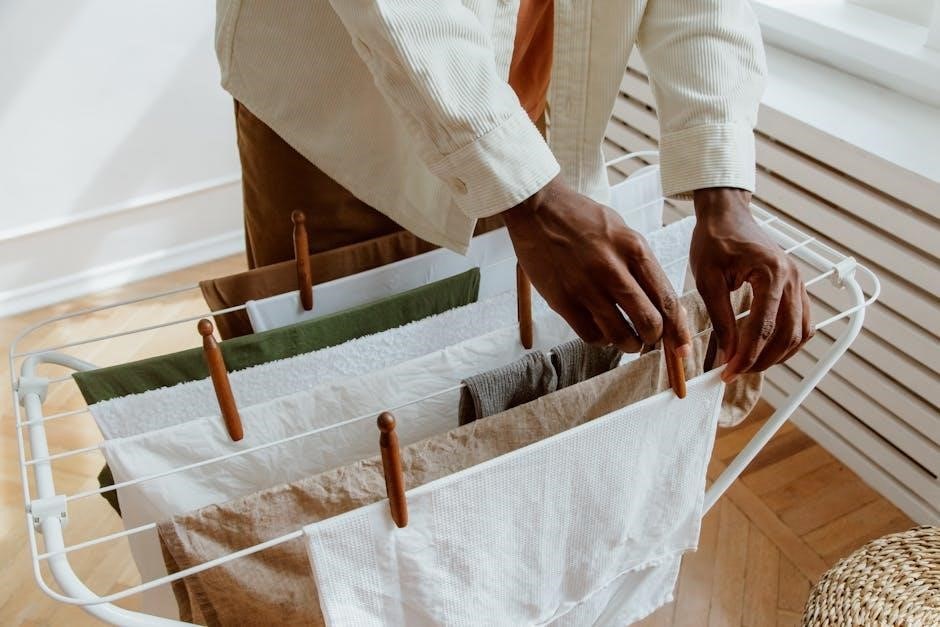
Proper drying is crucial to prevent damage and maintain shirt shape. While tumble drying offers convenience‚ it can be harsh on fabrics. Air drying is generally the gentler option‚ preserving color and fiber integrity.
When air drying‚ avoid direct sunlight‚ which can cause fading. Lay shirts flat on a clean‚ dry surface‚ or hang them on padded hangers to prevent shoulder stretching. Ensure good ventilation to speed up the drying process.
If using a tumble dryer‚ select a low heat setting and consider using dryer balls to reduce wrinkles and drying time. Remove shirts promptly once dry to prevent over-drying and shrinkage. Always check the care label for specific drying instructions.
Air Drying Techniques
Air drying is a fantastic method for preserving your shirts‚ extending their lifespan and minimizing energy consumption. However‚ technique matters! Avoid direct sunlight‚ as it can fade colors and weaken fibers. Opt for a shaded‚ well-ventilated area instead.
For best results‚ reshape the shirt after washing. Lay flat on a clean‚ dry towel or a mesh drying rack. This prevents stretching and maintains the garment’s original form. Alternatively‚ hang shirts using padded hangers – avoid wire hangers‚ which can leave marks.
Turn shirts inside out to protect the outer color and print. Ensure adequate airflow around the garment. A fan can significantly reduce drying time‚ especially in humid conditions. Regularly check for dryness‚ and iron promptly once slightly damp for easier wrinkle removal.
Tumble Drying Considerations
While convenient‚ tumble drying can be harsh on shirts. Always check the care label first! High heat can shrink fabrics‚ fade colors‚ and damage delicate materials. If tumble drying is permitted‚ choose the lowest heat setting possible.
Consider using dryer balls to help separate garments and improve airflow‚ reducing drying time and wrinkles. Avoid over-drying; slightly damp shirts are easier to iron. Remove shirts promptly after the cycle ends to prevent wrinkles from setting in.
For delicate fabrics like silk or linen‚ air drying is strongly recommended. Synthetic blends generally tolerate low-heat tumble drying better‚ but still require caution. Regularly clean your lint trap to maintain dryer efficiency and prevent fire hazards.
Ironing & Steaming Shirts
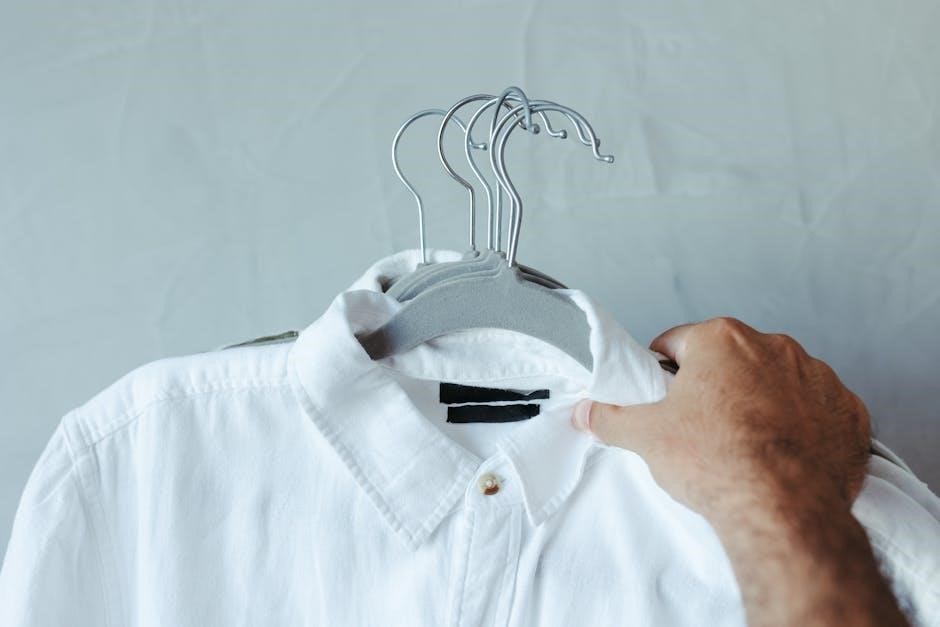
Achieving a crisp‚ polished look often requires ironing or steaming. However‚ improper technique can damage fabrics. Always check the garment’s care label for ironing instructions and recommended temperature settings.
Start with lower heat settings and gradually increase if needed‚ testing a small‚ inconspicuous area first. Use a pressing cloth for delicate fabrics like silk to prevent scorching. Iron shirts while slightly damp for easier wrinkle removal.

Steaming offers a gentler alternative to ironing‚ particularly for delicate materials. It relaxes fibers without direct heat‚ reducing the risk of damage. Hold the steamer a few inches away from the fabric and move it evenly. Both methods effectively remove wrinkles‚ presenting a professional finish.
Ironing Temperature Settings
Understanding ironing temperature settings is crucial to prevent fabric damage. Labels provide guidance‚ but here’s a general overview. “Low” (cool – 230°F/110°C) is ideal for delicate synthetics like acrylic or rayon‚ preventing melting or distortion;
“Medium” (warm – 300°F/150°C) suits blends containing polyester‚ and some silks. Always test a hidden area first. “High” (hot – 370°F/190°C) is reserved for sturdy natural fibers like cotton and linen‚ effectively removing stubborn wrinkles.
Wool requires a “Wool” setting (around 320°F/160°C) and a pressing cloth. Steam functions can aid wrinkle removal at lower temperatures. Incorrect heat can cause scorching‚ shine‚ or fabric weakening. Prioritize caution and always start with a lower setting‚ increasing gradually as needed.
Steaming as an Alternative
Steaming offers a gentle alternative to ironing‚ particularly beneficial for delicate fabrics. Unlike direct heat‚ steam relaxes fibers‚ releasing wrinkles without the risk of scorching or creating unwanted shine. It’s excellent for silk‚ wool‚ and garments with embellishments.
A garment steamer heats water‚ producing steam that penetrates fabric. Hold the steamer slightly away from the shirt‚ moving it vertically. Avoid prolonged exposure to one area. For best results‚ hang the shirt and steam from top to bottom.
Steaming is also effective for refreshing clothes between washes‚ eliminating odors and light creases. While it may not achieve the crispness of ironing‚ it’s a quicker‚ safer option for many fabrics‚ preserving their texture and longevity. Consider a travel steamer for on-the-go wrinkle removal.
Stain Removal Guide
Prompt action is crucial for successful stain removal. Identify the stain type – oil-based‚ water-based‚ or protein-based – to select the appropriate treatment. Always test any cleaning solution on an inconspicuous area first to ensure colorfastness.
For fresh stains‚ blot (don’t rub!) with a clean cloth. Water-based stains often respond to cold water and mild detergent. Oil-based stains may require a solvent like rubbing alcohol or a specialized stain remover. Protein stains (blood‚ milk) benefit from cold water and enzymatic cleaners.
Avoid hot water‚ as it can set some stains. Pre-treat stubborn stains before washing. Consider commercial stain removers‚ following product instructions carefully. Remember‚ persistent stains may require professional cleaning to prevent damage to the fabric.