plantronics headset user guide

Plantronics Headset User Guide ⏤ Comprehensive Plan

Plantronics offers extensive online resources, including downloadable user manuals and guides for various headset models, ensuring optimal performance and user satisfaction.

Plantronics, a renowned leader in audio communication, provides a diverse range of wireless headset systems designed for professionals and home users alike. The CS50-USB and CS60-USB models exemplify this commitment, offering hands-free convenience and extended workspace mobility. This guide serves as a comprehensive resource, detailing the installation and operation of your new Plantronics system.

Accessing the wealth of available documentation, including downloadable PDF manuals, is crucial for maximizing your headset’s potential. Plantronics prioritizes user support, offering online manuals categorized by product, ensuring you quickly locate the specific instructions for your model – like the WO100 Wireless Headset System.

Understanding Your Headset System (CS50-USB/CS60-USB)

The Plantronics CS50-USB and CS60-USB systems are engineered for reliable wireless communication. These headsets feature a base unit connecting to your computer or phone system, facilitating hands-free operation. Downloadable user manuals, readily available online as PDFs, detail each component and its function. Familiarizing yourself with these guides is essential for optimal setup and troubleshooting.

These systems boast extended wireless range, allowing workspace freedom. Understanding the call control buttons – answer/end and redial – enhances usability. Plantronics provides comprehensive documentation, including operating guides and specifications, to ensure a seamless user experience. Accessing these resources unlocks the full potential of your headset.

Key Features and Benefits

Plantronics CS50-USB/CS60-USB headsets deliver exceptional wireless convenience and workspace mobility. Key benefits include hands-free operation, boosting productivity, and a comfortable design for extended wear. Downloadable user manuals highlight features like long-range connectivity and intuitive call controls. These headsets offer a streamlined communication experience, enhancing clarity during calls.

Accessing online documentation provides detailed specifications and troubleshooting guidance. The systems’ multi-device pairing capabilities (where supported) further increase versatility. Plantronics prioritizes user experience, offering readily available resources to maximize headset functionality and ensure a seamless transition to wireless communication.

Setting Up Your Headset

Proper setup ensures optimal performance of your Plantronics CS50-USB/CS60-USB headset. Begin with a thorough unboxing, verifying all components are present. Next, charge the headset base unit fully before initial use. Connecting the base to your computer or phone system is straightforward, utilizing provided USB cables.

Consult the downloadable user manual for specific connection instructions tailored to your system. Ensure correct driver installation for seamless integration. Following these steps guarantees a hassle-free setup, allowing you to quickly enjoy the benefits of wireless communication. Detailed guides are available online for various models.

Unboxing and Component Check

Upon receiving your Plantronics CS50-USB/CS60-USB system, carefully open the packaging. Verify the contents against the included documentation. You should find the wireless headset, the base station, a USB cable for connecting the base, and potentially a power adapter. Some models may include additional accessories like a quick start guide or different earcup sizes.

Inspect each component for any signs of damage during shipping. If anything is missing or appears defective, contact Plantronics support immediately. A complete component check ensures you have everything needed for a successful setup and optimal headset functionality. Retain the original packaging for potential returns.

Charging the Headset Base

Before initial use, fully charge the Plantronics CS50-USB/CS60-USB headset base. Connect the provided power adapter to the base and plug it into a working electrical outlet. The base typically features an LED indicator to display the charging status – often solid red while charging and green when fully charged.

Allow several hours for a complete charge, even if the indicator shows green sooner. A full charge ensures maximum wireless range and talk time. While the headset charges on the base, it’s ready for use. Avoid using the headset while the base is actively charging to prevent potential interference.

Connecting the Base to Your Computer/Phone System

To connect your Plantronics CS50-USB/CS60-USB base, use the provided USB cable. Plug one end into the base and the other into an available USB port on your computer or compatible phone system. The system should automatically detect the base; however, you may need to select it as the default audio device in your computer’s sound settings.

For phone systems, consult your system’s documentation for specific headset compatibility and connection instructions. Ensure the base is within range of your computer or phone system for optimal performance. Proper connection is crucial for clear audio and reliable functionality.

Wearing Your Headset Correctly

Proper headset fit is essential for comfort and clear communication. Ensure the headband is adjusted to comfortably rest on your head, distributing weight evenly. The earcup should gently enclose your ear without excessive pressure. Correct microphone positioning is also vital; position it close to your mouth, typically one finger’s width away, for optimal voice capture.

Experiment with earcup adjustments to find the most comfortable and secure fit. A well-fitted headset minimizes background noise and maximizes audio quality, enhancing your overall experience. Regular adjustments may be needed for prolonged use.

Adjusting the Headband for Optimal Fit

To achieve the best fit, extend or retract the headband until it comfortably rests on your head, distributing weight evenly. Avoid excessive tightness, which can cause discomfort during prolonged use. The headband should feel secure without creating pressure points. Many Plantronics headsets feature adjustable headband lengths, allowing for personalized customization.

Ensure the earcup aligns correctly with your ears. A properly adjusted headband contributes significantly to overall comfort and sound quality. Experiment with slight adjustments to find the sweet spot where the headset feels balanced and secure, minimizing slippage during movement.

Microphone Positioning for Clear Communication

Optimal microphone positioning is crucial for clear voice transmission. Position the microphone boom close to, but not directly against, your mouth – typically within an inch. Ensure it doesn’t interfere with your speech or obstruct your vision. Adjust the boom’s flexibility to achieve the ideal distance and angle.

Avoid having the microphone rub against clothing, as this can create distracting noise. Many Plantronics headsets allow for microphone rotation, enabling you to wear the headset on either side. Proper positioning minimizes background noise and maximizes voice clarity for effective communication during calls and meetings.

Earcup Adjustment for Comfort

Achieving a comfortable fit with your Plantronics headset is essential for extended wear. Adjust the earcups to ensure they fully enclose your ears without excessive pressure. Many models feature rotating or pivoting earcups to conform to the unique shape of your head. Experiment with different angles to find the most comfortable position.

Proper earcup adjustment not only enhances comfort but also contributes to superior sound quality by creating a seal that isolates external noise. If you wear glasses, ensure the earcups don’t interfere with your frames. A secure, comfortable fit minimizes fatigue during long conversations.

Basic Headset Operation

Understanding fundamental operations ensures seamless use of your Plantronics headset. Powering the headset on/off is typically achieved via a dedicated power button, often indicated by a power symbol. Volume control is usually managed through buttons on the earcup, allowing for quick adjustments during calls. Muting/unmuting the microphone is equally straightforward, utilizing a designated mute button – a visual or audible cue confirms mute status.

These core functions provide immediate control over your communication experience. Familiarizing yourself with these basic operations will streamline your workflow and enhance overall usability.

Powering On/Off the Headset

To power on your Plantronics headset, locate the dedicated power button – typically found on the right earcup. Press and hold this button for a few seconds until an indicator light illuminates, signifying activation. Conversely, to power off, press and hold the same button again until the indicator light turns off. Some models may provide audible cues, like a tone, to confirm power status.

Ensure the headset is charged before initial use for optimal performance. A fully charged headset provides extended talk time and reliable connectivity. Proper power management extends battery lifespan.

Adjusting Volume Control

Plantronics headsets offer intuitive volume control options. Typically, dedicated volume buttons – often labeled with plus (+) and minus (-) symbols – are located on the right earcup. Press the plus button to increase the volume and the minus button to decrease it. Some models feature a rotating dial for precise volume adjustments.

Digital Signal Processing (DSP) technology ensures clear audio even at higher volumes. Experiment to find a comfortable listening level that balances clarity and prevents ear fatigue. Be mindful of your surroundings when using the headset at louder volumes.

Muting/Unmuting the Microphone

Plantronics headsets provide a simple way to mute and unmute the microphone for privacy during calls. Usually, a dedicated mute button is conveniently located on the right earcup. Pressing this button instantly silences the microphone, preventing your voice from being transmitted. A visual or audible indicator often confirms the mute status.

To reactivate the microphone, simply press the mute button again. Some models allow muting directly through the base unit or via software applications. Regularly check your mute status to ensure clear communication during important conversations.

Advanced Features & Functionality

Plantronics headsets boast advanced features enhancing user experience. Call control buttons allow answering/ending calls and redialing effortlessly. Enjoy a substantial wireless range for workspace mobility, ensuring consistent connectivity. Certain models support multi-device pairing, seamlessly switching between computer and smartphone calls.

Explore features like voice-activated assistants and customizable settings through Plantronics Hub software. Benefit from enhanced audio quality and noise cancellation for clearer conversations. These functionalities elevate productivity and communication, making Plantronics a leader in headset technology.

Call Control Buttons (Answer/End, Redial)

Plantronics headsets feature intuitive call control buttons for seamless communication. Easily answer incoming calls with a dedicated button press, and end calls just as conveniently. The redial function allows quick reconnection to the last dialed number, saving valuable time. Button placement is ergonomically designed for easy access during calls.

These controls offer hands-free operation, boosting productivity. Some models include additional call features, accessible through button combinations. Refer to your specific model’s manual for detailed instructions on utilizing all call control functionalities. Mastering these buttons streamlines your call management.

Wireless Range and Connectivity

Plantronics headsets boast impressive wireless range, providing workspace mobility. Typically, the range extends up to 350 feet (107 meters) in open office environments, though obstructions can reduce this. Connectivity is established via USB or Bluetooth, depending on the model; Ensure a stable connection by minimizing interference from other wireless devices.

Bluetooth pairing is straightforward, allowing multi-device connectivity on supported headsets. Maintaining a clear line of sight between the headset and base station optimizes range. Regularly check for firmware updates to enhance connectivity and performance. Understanding these factors ensures a reliable wireless experience.

Multi-Device Pairing (If Supported)

Certain Plantronics headsets support simultaneous connection to multiple devices – like a computer and smartphone – offering seamless call switching. Pairing involves activating Bluetooth on each device and selecting the headset from the available devices list. Once paired, the headset intelligently routes audio based on activity.

You can prioritize devices within the headset settings, determining which takes precedence for incoming calls. Switching between devices is often automatic, or can be initiated via dedicated buttons on the headset. This feature enhances productivity, allowing users to manage communications across various platforms effortlessly.

Troubleshooting Common Issues

Encountering problems? Common issues include no sound, microphone malfunctions, or connectivity disruptions. For “no sound,” verify volume levels on both the headset and connected device, and ensure the correct audio output is selected. If the microphone isn’t working, check its positioning and mute status;

Connectivity problems often stem from Bluetooth interference or outdated drivers. Try re-pairing the headset or updating drivers. Refer to the Plantronics support website for specific troubleshooting steps related to your model. Detailed guides and FAQs are available to resolve most common issues quickly and efficiently.

No Sound Issues

Experiencing a lack of audio? First, confirm the headset volume is adequately raised, both on the device itself and within your computer or phone system settings. Next, verify the Plantronics headset is selected as the default audio output device in your operating system’s sound control panel.

Check the audio cable connection (if applicable) for secure placement. If using Bluetooth, ensure a stable connection. Test with another application to isolate the problem. Consult the user manual for model-specific sound settings. Finally, ensure the mute function isn’t activated accidentally;

Microphone Not Working

If your Plantronics headset microphone isn’t functioning, begin by verifying it’s correctly selected as the default recording device within your computer’s sound settings. Ensure the microphone isn’t muted, either on the headset itself or within your communication application. Check the physical connection – if wired, confirm a secure link.

For Bluetooth connections, re-pair the headset. Test the microphone with a different application to determine if the issue is application-specific. Consult your headset’s user manual for specific troubleshooting steps. Confirm microphone permissions are enabled in your operating system.

Connectivity Problems

Experiencing Plantronics headset connectivity issues? First, ensure Bluetooth is enabled on both your headset and the connecting device. Verify the headset is within the wireless range. Try re-pairing the headset; sometimes, a fresh connection resolves problems. Check for interference from other wireless devices.

If using a USB connection, test a different USB port. Update your computer’s Bluetooth drivers. Consult the user manual for specific pairing instructions for your model. Restarting both the headset and the connecting device can often restore connectivity. Ensure no other devices are actively trying to connect simultaneously.

Maintaining Your Plantronics Headset

Proper Plantronics headset maintenance extends its lifespan and ensures optimal performance. Regularly clean the headset with a soft, damp cloth – avoid harsh chemicals. Store the headset in a cool, dry place when not in use, protecting it from extreme temperatures and humidity.

Pay attention to battery care; avoid fully discharging the battery frequently. Follow the manufacturer’s recommendations for charging. Inspect the cable for damage and replace if necessary. Consistent care, including cleaning and proper storage, will keep your headset functioning reliably for years to come.

Cleaning Instructions

To maintain hygiene and optimal performance, regularly clean your Plantronics headset. Use a soft, slightly damp cloth to wipe down the earcups, headband, and microphone boom. Avoid abrasive cleaners or solvents, as these can damage the materials. For stubborn dirt, lightly dampen the cloth with a mild soap solution, then wipe dry.

Pay particular attention to the earcups, as they accumulate oils and debris. Ensure no liquid enters the headset’s openings. Disconnect the headset from any power source before cleaning. Regular cleaning prevents buildup and ensures a comfortable, sanitary experience.

Storage Recommendations

When not in use, store your Plantronics headset in a cool, dry place, away from direct sunlight and extreme temperatures. A protective case or pouch is recommended to prevent dust accumulation and physical damage. Avoid storing the headset in areas with high humidity, as this can affect its electronic components.

Ensure the headset is fully powered off before storage. Do not wrap the cord tightly around the headset, as this can cause stress and potential breakage. Proper storage extends the lifespan of your headset and maintains its functionality for long-term use.

Battery Care and Lifespan

To maximize the lifespan of your Plantronics headset’s battery, avoid fully discharging it before recharging. Frequent, short charges are preferable to infrequent, complete discharges. Use only the provided charging cable and adapter to prevent damage.

Do not expose the headset to extreme temperatures, as this can degrade battery performance. Store the headset with some charge remaining if it will be unused for an extended period. Battery lifespan will naturally decrease over time with use; replacement batteries may be available.

Downloading User Manuals & Documentation

Plantronics provides a comprehensive online library of user manuals and documentation for all their headset systems. Access these resources through the official Plantronics website, navigating to the support or manuals section. You can easily search for your specific model, including the WO100 Wireless Headset System, and download the corresponding PDF manual.

These manuals offer detailed instructions on setup, operation, troubleshooting, and safety precautions. Downloading the manual ensures you have the latest information at your fingertips, enhancing your overall user experience and maximizing the benefits of your Plantronics headset.

Accessing Plantronics Online Manuals

Plantronics’ online manuals are readily accessible via their official website’s support section. Begin by visiting the Plantronics support page and selecting the “Manuals” or “Documentation” option. A categorized list of products will appear, allowing you to browse by headset type or directly search using your model number.

The website offers a user-friendly interface for locating and downloading PDF versions of user manuals. These digital resources provide detailed guidance on installation, operation, and troubleshooting, ensuring a seamless experience with your Plantronics device. Quick access to these manuals empowers users with self-service support.

Finding Specific Model Manuals (PDF)

To locate a specific Plantronics model’s PDF manual, utilize the search function on the official Plantronics support website. Enter your exact headset model number (e.g., CS50-USB, WO100) into the search bar. The search results will display a list of relevant documents, including the user manual in PDF format.

Alternatively, browse the product categories and filter by model. Once found, simply click on the PDF link to download the manual directly to your device. These downloadable PDFs offer comprehensive instructions, diagrams, and troubleshooting tips tailored to your specific Plantronics headset, ensuring optimal usage.

WO100 Wireless Headset System Manual Access

Accessing the Plantronics WO100 Wireless Headset System manual is straightforward. Visit the Plantronics support website and search specifically for “WO100 manual” or “WO100 user guide”. The official website provides a downloadable PDF version of the complete user manual, detailing setup, operation, and troubleshooting for this particular model.

This manual covers essential aspects like base station connection, headset pairing, call controls, and LED indicator explanations. It’s a valuable resource for maximizing the functionality of your WO100 system and resolving any potential issues. Download and save the PDF for convenient offline access.

Safety Information & Precautions

Prioritize safety when using your Plantronics headset. For home use, avoid prolonged exposure to high volumes to prevent hearing damage. Regularly inspect the headset and accessories for any signs of wear or damage, discontinuing use if found. Ensure proper ventilation during charging and avoid using the headset in excessively humid or wet environments.

Follow general safety guidelines: do not disassemble the headset, and keep it away from extreme temperatures. Compliance information regarding safety standards is detailed in the full user manual. Always handle the device with care and adhere to all provided warnings for a safe and enjoyable experience.

Home Use Safety Tips

When utilizing your Plantronics headset at home, maintain a safe listening environment. Avoid extended periods at high volumes to protect your hearing health. Regularly check the headset, cable, and base for any damage before each use, and discontinue if issues are detected. Ensure the charging area is well-ventilated and free from flammable materials.

Keep the headset away from liquids and extreme temperatures. Supervise children when they are near the device. Refer to the complete user manual for detailed safety instructions and precautions. Prioritize responsible usage for a secure and enjoyable home experience with your Plantronics headset.

General Safety Guidelines

To ensure safe operation of your Plantronics headset, always follow these guidelines. Avoid using the headset during thunderstorms or in potentially hazardous environments. Do not attempt to disassemble or repair the device yourself; contact qualified service personnel for assistance. Keep the headset dry and avoid exposure to corrosive substances.

Handle the headset with care to prevent damage. Regularly review the user manual for important safety information and updates. Proper usage and maintenance will maximize the lifespan and performance of your Plantronics headset while minimizing potential risks. Prioritize safety for a reliable communication experience.

Compliance Information

This Plantronics headset system complies with relevant safety standards and regulations, ensuring user well-being and electromagnetic compatibility. It adheres to FCC guidelines regarding radio frequency emissions and interference. The device has undergone testing to meet industry benchmarks for audio quality and performance.

Detailed compliance certifications and declarations are available in the complete user manual and on the Plantronics website. Users should familiarize themselves with these details to ensure proper operation within their specific region. Compliance demonstrates Plantronics’ commitment to responsible product development and adherence to global standards.

wow guide tv

WOW Guide TV: A Comprehensive Overview (Updated 04/15/2026)

WOW TV delivers a comprehensive entertainment experience, featuring live TV channels, on-demand content, and seamless internet integration. Explore local listings and enjoy features like the Interactive Program Guide (IPG).

What is WOW TV?

WOW TV is a leading provider of digital cable television services, offering a diverse range of channels and entertainment options to suit every viewer. As of today, April 15, 2026, WOW TV continues to evolve, providing a robust platform for both traditional television viewing and modern streaming experiences. It’s designed to integrate seamlessly with WOW’s high-speed internet services, creating a connected home entertainment hub.

WOW TV distinguishes itself through its Interactive Program Guide (IPG), allowing users to easily navigate and discover content. Beyond standard cable offerings, WOW TV provides access to on-demand movies and shows, and DVR capabilities for recording favorite programs. The service also extends to mobile devices via the WOW TV App, enabling viewing on the go. WOW Business also offers tailored TV solutions, accessible through wowway.net. Ultimately, WOW TV aims to deliver a flexible and feature-rich television experience.

WOW TV Channel Lineup

WOW TV boasts a comprehensive channel lineup, catering to diverse viewing preferences. The selection includes popular national networks, local broadcast channels, and a wide array of specialty programming. Viewers can access news, sports, entertainment, and family-friendly content. Specific channel availability varies based on location and subscription package, but generally encompasses options like Channel 5, Channel 8, Channel U, CNA, Suria, and Vasantham, offering free LIVE TV.

Premium channels, such as those available through HBO GO, can be added for an enhanced viewing experience. The American TV Listings Guide provides detailed schedules and customization options. WOW TV continually updates its channel offerings, aiming to provide the latest in television entertainment. Users can find a complete and up-to-date channel list on the WOW TV website or through the Interactive Program Guide, ensuring they stay informed about available programming.

WOW TV Pricing and Bundles

WOW TV offers a variety of pricing plans and bundles designed to fit different budgets and entertainment needs. Customers can choose from standalone TV packages or combine TV with high-speed internet and phone services for greater value. Pricing typically varies based on the number of channels included and the inclusion of premium features like DVR service or streaming access.

Bundling options often result in significant savings compared to subscribing to services individually. WOW Business offers tailored solutions for commercial customers. Detailed pricing information and current promotional offers are readily available on the WOW TV website (wowway.net) and through their customer support channels. Customers can easily compare plans and select the bundle that best aligns with their viewing habits and financial considerations. Explore options to find the perfect entertainment package.

WOW TV Internet Integration

WOW TV’s seamless integration with its high-speed internet service enhances the overall viewing experience. A reliable internet connection is crucial for utilizing features like on-demand content, the WOW TV app, and streaming capabilities. Bundling WOW TV with internet often provides a more stable and faster connection, minimizing buffering and ensuring smooth playback of your favorite shows and movies.

This integration extends to the Interactive Program Guide (IPG), which benefits from real-time updates and enhanced functionality when connected to WOW’s internet network. Furthermore, the ability to manage your account, pay bills, and access support resources is streamlined through the online portal, requiring a stable internet connection. WOW’s commitment to providing both TV and internet services creates a cohesive and convenient entertainment ecosystem for its customers.

WOW TV Local Listings Guide

WOW TV provides a comprehensive local listings guide, allowing viewers to easily discover what’s airing on their favorite channels. This guide includes schedules for channels like Channel 5, Channel 8, Channel U, CNA, Suria, and Vasantham, offering a diverse range of programming options. Users can customize their viewing experience by selecting their preferred channels and setting reminders for upcoming shows.

The local listings guide is accessible through the Interactive Program Guide (IPG) on your TV screen, as well as online through the WOW TV website. It’s regularly updated to reflect the most current schedules, ensuring accuracy and reliability. Beyond standard broadcast channels, the guide also highlights premium programming available through services like HBO GO, accessible with a subscription. Finding what to watch locally has never been easier with WOW TV’s detailed and user-friendly listings.

WOW TV Features and Benefits

WOW TV boasts an Interactive Program Guide, extensive on-demand content, and robust DVR capabilities. Enjoy seamless streaming via the WOW TV app, enhancing your entertainment experience.

Interactive Program Guide (IPG)

The WOW TV Interactive Program Guide (IPG) is a cornerstone of the viewing experience, offering a user-friendly interface for navigating through hundreds of channels. This feature goes beyond a simple channel listing; it provides detailed program information, including synopses, cast details, and episode guides. Users can easily browse by channel, time, or genre, making it simple to discover new shows and movies.

A key benefit of the IPG is its search functionality. Viewers can quickly locate specific programs or actors, streamlining the process of finding desired content. Furthermore, the IPG often integrates with WOW TV’s on-demand library, allowing users to directly access available episodes or movies with a single click. The guide is regularly updated, ensuring accuracy and reflecting the latest programming schedules. It’s designed for intuitive navigation, catering to both tech-savvy and less experienced viewers, ultimately enhancing control and enjoyment of their television viewing.

On-Demand Content

WOW TV boasts an extensive on-demand library, providing viewers with access to a vast selection of movies and TV shows anytime. This service complements live television, allowing users to catch up on missed episodes or discover new content at their convenience. The on-demand selection includes recent releases, classic films, and a diverse range of genres, catering to varied tastes.

Integration with premium streaming services like HBO GO further expands the on-demand offerings, providing access to exclusive content. The on-demand interface is designed for easy browsing, with options to search by title, actor, or genre. Many titles are available in high definition (HD) and some even support 4K streaming, enhancing the viewing experience. This feature eliminates the constraints of traditional broadcast schedules, empowering viewers to watch what they want, when they want, making WOW TV a truly flexible entertainment solution.

DVR Capabilities

WOW TV’s Digital Video Recorder (DVR) functionality allows subscribers to record their favorite programs for later viewing, ensuring they never miss a moment. The DVR provides ample storage space, enabling users to record numerous hours of content, depending on the selected recording quality. Scheduling recordings is simple through the Interactive Program Guide (IPG), with options for one-time recordings or recurring series recordings.

Users can pause, rewind, and fast-forward through recorded programs, offering complete control over their viewing experience. The DVR also supports simultaneous recording – allowing viewers to record multiple shows at the same time, provided there’s sufficient storage capacity. Furthermore, WOW TV’s DVR often integrates with the on-demand library, creating a centralized hub for all recorded and accessible content. This feature is invaluable for busy individuals or those who want to time-shift their viewing habits.

WOW TV App and Streaming

WOW TV extends its viewing experience beyond the traditional set-top box with a dedicated mobile app and robust streaming capabilities. The WOW TV app, available on iOS and Android devices, allows subscribers to access live channels, on-demand content, and their DVR recordings from anywhere with an internet connection. This provides unparalleled flexibility and convenience for viewers on the go.

Streaming quality is a key focus, with WOW TV continually working to improve picture clarity and reduce buffering. Subscribers can also utilize streaming devices like Roku, Apple TV, and Amazon Fire TV to enjoy WOW TV content on their larger screens. The app often mirrors the functionality of the set-top box interface, ensuring a consistent user experience. Integration with premium streaming services, like HBO GO, further enhances the entertainment options available to WOW TV customers.

Troubleshooting Common WOW TV Issues (as of March/April 2026)

Users report game launch errors (July 2025), multiple game versions starting simultaneously, and channel availability problems. Remote control issues are also frequently encountered.

Game Launch Errors (July 2025 Reports)

Throughout July 2025, numerous WOW TV subscribers reported consistent issues launching games, specifically World of Warcraft. The primary symptom involved attempting to initiate a game session, only for all installed versions of the game to simultaneously attempt to start. This resulted in a cascading error message, effectively preventing gameplay.

Affected users detailed that pressing the “Play” button within the game launcher triggered the simultaneous launch of multiple game instances – retail, classic, and potentially others depending on the user’s installation. This behavior heavily impacted system resources, leading to crashes and instability. Initial troubleshooting steps, such as restarting the computer or reinstalling the game, proved ineffective for many.

The issue appeared to be intermittent, affecting some users consistently while others experienced it sporadically. Reports suggest a potential conflict between WOW TV’s background processes and the game launcher, though a definitive cause remained elusive as of the reporting period. Users actively sought solutions on forums and community platforms, hoping for a swift resolution.

Multiple Game Versions Starting Simultaneously

A recurring issue reported by WOW TV users in late 2025 and early 2026 centered around the unintended simultaneous launch of multiple World of Warcraft game versions. Players discovered that initiating a single game session – be it Retail, Classic, or another iteration – would trigger all installed versions to attempt startup concurrently. This created significant system strain and prevented successful game access.

The problem manifested as a flood of game windows appearing, quickly followed by error messages indicating launch failures. Users confirmed that simply clicking the “Play” button within the Battle.net launcher initiated this cascading effect. Attempts to isolate the issue by launching specific versions directly proved unsuccessful, as the launcher consistently overrode these selections.

This behavior heavily impacted system performance, causing crashes and rendering the game unplayable. The issue wasn’t isolated to specific hardware configurations, affecting a wide range of PCs. Community discussions pointed towards a potential software conflict, possibly stemming from interactions between WOW TV’s services and the Battle.net client.

WOW TV Channel Availability Issues

Reports surfaced in March and April of 2026 detailing intermittent channel availability problems for WOW TV subscribers. Users experienced instances where specific channels would become inaccessible, displaying error messages or simply failing to load content. This issue wasn’t consistently tied to a particular channel or geographic location, suggesting a broader systemic problem.

Affected channels spanned various categories, including local broadcasts, news networks, and entertainment options. Some users reported temporary outages lasting only a few minutes, while others faced prolonged disruptions extending for several hours. Attempts to resolve the issue through channel re-scans or power cycling the set-top box yielded mixed results.

The American TV Listings Guide was frequently consulted by frustrated viewers seeking information on channel status. WOW TV support acknowledged the issue, attributing it to potential network maintenance or unforeseen technical glitches. However, a definitive explanation and permanent fix remained elusive as of mid-April 2026, causing ongoing inconvenience for subscribers.

WOW TV Remote Control Problems

Numerous WOW TV users reported experiencing difficulties with their remote controls throughout March and April of 2026. Common complaints included unresponsive buttons, delayed reactions, and complete failure to operate the set-top box. Some users found that the remote would intermittently work, only to lose functionality again shortly after.

Troubleshooting steps suggested by WOW TV support included replacing the batteries, re-pairing the remote with the set-top box, and ensuring a clear line of sight. However, these solutions often proved ineffective, indicating a potential hardware or software issue with the remotes themselves or compatibility problems with newer television models.

A recurring theme in online forums was the frustration of navigating the WOW TV interface without a functioning remote. Subscribers expressed difficulty accessing on-demand content and utilizing the Interactive Program Guide (IPG). WOW TV acknowledged the reports and advised customers to contact support for potential remote replacements or further assistance, but wait times for support were reportedly lengthy.

WOW TV and World of Warcraft (WOW) Connection

WOW TV users often discuss World of Warcraft, particularly game updates and community events, while streaming. Treasure hunt quests, referenced as early as June 2019, remain a topic.

WOW Game Updates and TV Streaming

The synergy between staying informed about World of Warcraft (WOW) updates and utilizing WOW TV for entertainment is notable. Players frequently leverage WOW TV to simultaneously stream content while engaging with the game, or to catch up on community discussions surrounding patch notes and new content releases.

Recent reports from July 2025 indicate potential issues with game launch errors, where multiple versions of WOW attempt to start concurrently, leading to error messages. This often prompts players to seek solutions and share experiences online, frequently discussed while enjoying WOW TV programming.

The ability to monitor WOW forums and news sites on WOW TV allows for real-time updates, ensuring players are prepared for scheduled maintenance or unexpected changes. This combination of gaming and entertainment enhances the overall WOW experience, providing a comprehensive digital lifestyle solution.

WOW Community Discussions (March 2026)

March 2026 saw vibrant discussions within the World of Warcraft (WOW) community, often paralleled with viewing habits on WOW TV. Players actively engaged in General Discussion forums, debating topics ranging from solo shuffle queue times to upcoming content releases. These conversations frequently extend beyond the game itself, encompassing broader entertainment preferences enjoyed through WOW TV’s channel lineup.

A significant focus involved questions surrounding specific in-game items and mechanics, with players seeking clarification beyond official sources like WOWhead. Many utilized WOW TV as a backdrop for collaborative problem-solving, sharing insights and strategies while relaxing with their favorite shows.

The intersection of gaming and entertainment is clear, as WOW TV serves as a communal hub for players to connect, discuss, and unwind, fostering a stronger sense of community beyond the virtual realms of Azeroth.

WOW Treasure Hunt Quests (June 2019 Reference)

Referencing June 2019, World of Warcraft players engaged in “Treasure Hunt” quests, specifically focusing on acquiring decorative items for their player housing – “quarters de logis”. These quests, popular within the French-speaking community, required precise coordination and information sharing. While seemingly unrelated, this period highlights a player base actively seeking external resources while enjoying in-game content.

It’s plausible players utilized WOW TV during these quests, perhaps referencing guides or streaming walkthroughs on other channels while simultaneously playing. The need for detailed solutions and exact coordinates suggests a demand for readily available information, a service WOW TV’s integrated internet and on-demand features could potentially support.

This historical context demonstrates a player preference for multi-tasking and accessing supplementary content, hinting at opportunities for WOW TV to enhance the gaming experience.

WOW TV Support and Contact Information

WOW TV provides support through a comprehensive Help Center, phone assistance, and convenient online chat. WOW Business support is also available at wowway.net for business customers.

WOW TV Help Center

The WOW TV Help Center serves as a primary resource for customers seeking assistance with their service. It’s a self-service portal designed to address frequently asked questions and provide troubleshooting guides for common issues. Users can find articles covering topics ranging from account management and billing inquiries to technical support for their set-top boxes and streaming devices.

The Help Center is organized into easily navigable categories, allowing customers to quickly locate information relevant to their specific needs. Detailed step-by-step instructions, accompanied by visual aids, are often included to guide users through the resolution process. It also features a robust search function, enabling customers to pinpoint solutions by entering keywords or phrases related to their problem.

Beyond troubleshooting, the Help Center provides information on WOW TV features, channel lineups, and available bundles. Customers can also access their account details, manage their subscriptions, and update their contact information directly through the online portal. Regularly updated with the latest information, the WOW TV Help Center aims to empower customers with the tools and knowledge they need to resolve issues independently and efficiently.

WOW TV Phone Support

WOW TV offers dedicated phone support for customers who prefer direct assistance with their service. This support channel provides a convenient way to connect with a live agent who can address a wide range of inquiries and technical issues. The phone support team is equipped to handle questions related to billing, account management, troubleshooting, and service outages.

When contacting WOW TV phone support, customers can expect a guided experience where agents will attempt to diagnose and resolve issues in real-time. They may request account information for verification purposes and walk customers through troubleshooting steps. The support team can also assist with setting up new equipment, explaining service features, and processing service requests.

While wait times may vary depending on call volume, WOW TV strives to provide prompt and efficient phone support. Customers should have their account number and a detailed description of the issue ready when calling to expedite the resolution process. This remains a vital support option for those needing personalized assistance beyond self-service resources.

WOW TV Online Chat Support

WOW TV provides a convenient online chat support option for customers seeking quick assistance without a phone call. Accessible directly through the WOW TV website, this feature connects users with a live support agent via text-based communication. Online chat is ideal for addressing straightforward questions, reporting minor technical glitches, or seeking guidance on account-related matters.

The online chat interface allows customers to describe their issues in detail and receive real-time responses from trained support professionals. Agents can provide step-by-step instructions, troubleshoot common problems, and offer solutions tailored to individual needs. Chat support is available during specified hours, offering a flexible alternative to traditional phone support.

To utilize WOW TV’s online chat, customers typically initiate a chat session and may be asked to provide basic account information for verification. This ensures secure and personalized support. The chat transcripts can often be saved or emailed for future reference, providing a valuable record of the interaction and resolution.

WOW Business Support (wowway.net)

WOW offers dedicated support services specifically tailored for its business customers through wowway.net. Recognizing the critical nature of uninterrupted service for businesses, WOW Business Support provides specialized assistance beyond standard residential support channels. This includes prioritized troubleshooting, dedicated account management options, and solutions designed for complex business needs.

Businesses can access support through various methods, including a dedicated phone line, online resources, and potentially, specialized chat or email support. The wowway.net portal provides access to account management tools, billing information, and service details. WOW understands that business customers often require faster response times and more in-depth technical expertise.

Support focuses on ensuring business-critical services like high-speed internet and TV solutions remain operational. WOW Business Support aims to minimize downtime and maximize productivity for its commercial clients, offering a reliable partnership for their communication and entertainment requirements.

WOW TV Future Developments

WOW TV anticipates adding new channels and enhancing streaming quality for improved user experiences. These updates aim to provide more diverse content and reliable performance.

Potential New Channel Additions

WOW TV is consistently evaluating opportunities to expand its channel lineup, responding to customer demand and evolving entertainment trends. While specific additions remain confidential, industry speculation points towards potential inclusions in several key areas. Sports enthusiasts might see expanded coverage with regional sports networks or specialized channels dedicated to niche sports like esports or international competitions.

Entertainment options could broaden with the addition of streaming service integrations, offering access to platforms like Paramount+, Peacock, or specialized anime channels. News and lifestyle programming may also see expansion, potentially including channels focused on financial news, home improvement, or travel. Furthermore, WOW TV is exploring options for adding more international channels to cater to its diverse customer base, providing content in various languages and reflecting different cultural perspectives. The goal is to deliver a more comprehensive and personalized viewing experience for all subscribers, ensuring there’s something for everyone within the WOW TV ecosystem.

Improvements to Streaming Quality

WOW TV recognizes the increasing importance of a high-quality streaming experience and is actively investing in infrastructure upgrades to enhance performance. Key areas of focus include transitioning to more efficient video codecs, such as HEVC (H.265), to deliver sharper images with reduced bandwidth consumption. This will be particularly beneficial for customers with varying internet speeds.

Furthermore, WOW TV is implementing advanced content delivery network (CDN) technologies to minimize buffering and latency, ensuring smoother playback even during peak usage times. They are also exploring adaptive bitrate streaming enhancements, dynamically adjusting video quality based on individual network conditions. Investments in server capacity and network peering agreements are underway to further optimize streaming speeds; The ultimate aim is to provide a consistently reliable and visually stunning streaming experience, rivaling that of leading streaming services, and ensuring WOW TV remains a competitive entertainment provider.

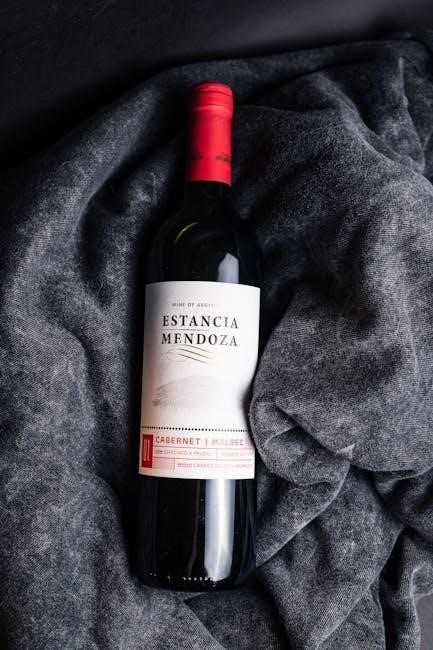
beginners guide to drinking wine

Embarking on a wine journey? This guide simplifies the experience, offering practical exploration over theory, building confidence with each sip and discovering nuanced flavors.

What is Wine Tasting?

Wine tasting is a sensory experience, a deliberate process of evaluating and appreciating wine through sight, smell, and taste. It’s far more than simply drinking wine; it’s about actively engaging with the beverage to understand its complexities. This involves observing the wine’s color and clarity, identifying the diverse aromas it presents, and analyzing the flavors, texture, and overall impression on your palate.

Unlike gulping down a drink, wine tasting encourages a slower, more attentive approach. It’s about noticing how the wine feels in your mouth – is it light and crisp, or rich and velvety? Paying attention to the finish, the lingering flavors, is also crucial. Ultimately, wine tasting unlocks a deeper appreciation for the craftsmanship and artistry behind each bottle.

Why Learn to Taste Wine?

Learning to taste wine elevates the experience beyond simple consumption, allowing you to discover nuances often missed. It empowers you to confidently order wine, appreciating quality and value. Tasting practice helps identify great wines and even spot potential faults, ensuring a satisfying experience every time.

Furthermore, understanding wine enhances social occasions and food pairings. You’ll be able to articulate your preferences and engage in informed conversations. By slowing down and paying attention, you unlock a world of flavors and aromas, transforming a casual drink into a mindful exploration. It’s about maximizing enjoyment and getting the most from your investment.

Understanding the Basics

Grasping fundamental wine types – red, white, rosé, and sparkling – is key to navigating the world of wine and enjoying diverse flavors.

Wine Types: A Quick Overview

Wine’s diverse world begins with understanding its core categories. Red wines, crafted from dark-skinned grapes, offer bold flavors and tannins. White wines, made from green-skinned or pulp-removed dark grapes, are typically lighter and crisper. Rosé achieves its pink hue through brief skin contact during production, presenting a refreshing middle ground.

Sparkling wines, like Champagne and Prosecco, gain their bubbles through a secondary fermentation process, adding effervescence and celebratory flair. Beyond these, fortified wines – such as Port and Sherry – have spirits added, increasing alcohol content and complexity. Each type boasts unique characteristics, influenced by grape varietals, climate, and winemaking techniques. Exploring these differences unlocks a richer appreciation for the art of winemaking and the enjoyment of wine.

Red Wine Varieties

Red wines offer a spectrum of flavors, largely dictated by the grape varietal. Cabernet Sauvignon, known globally, delivers blackcurrant and cedar notes, often with firm tannins. Merlot provides a softer profile, showcasing red fruit and plum flavors. Pinot Noir, delicate and nuanced, presents cherry, raspberry, and earthy undertones.

Syrah/Shiraz offers peppery spice and dark fruit, while Malbec bursts with plum and blackberry. Zinfandel, often Californian, displays jammy fruit and spice. These varieties differ in body, tannin levels, and acidity, influencing food pairings. Understanding these characteristics allows beginners to navigate the red wine world with confidence, discovering preferences and expanding their palates.

White Wine Varieties

White wines present a diverse range of aromas and flavors, often influenced by climate and winemaking techniques. Chardonnay, incredibly versatile, can range from crisp and unoaked – displaying citrus and green apple – to rich and buttery with oak aging. Sauvignon Blanc is known for its herbaceousness, grapefruit, and passionfruit notes. Riesling offers floral aromas, high acidity, and flavors of apricot and petrol (with age).

Pinot Grigio/Gris is light-bodied and refreshing, with subtle pear and citrus flavors. Gewürztraminer delivers lychee and rose petal aromas. Exploring these varieties helps beginners appreciate the breadth of white wine, finding styles suited to their tastes and culinary pairings.

Rosé Wine Explained

Rosé wines, often associated with summer, are made by limiting the skin contact during red wine production. This brief contact imparts a pink hue and delicate flavors. Rosé isn’t simply a blend of red and white wine! Styles vary greatly, from dry and crisp Provençal rosés – showcasing strawberry and citrus – to sweeter, fruit-forward options.

The color intensity doesn’t necessarily indicate sweetness; a darker pink doesn’t always mean a sweeter wine. Rosé is incredibly versatile with food, pairing well with salads, seafood, and spicy cuisine. It’s a fantastic entry point for those new to wine exploration.

Sparkling Wine & Champagne

Sparkling wines, celebrated for their bubbles, range from affordable Prosecco to prestigious Champagne. Champagne, specifically, hails from the Champagne region of France and undergoes a secondary fermentation in the bottle, creating those signature fine bubbles. Prosecco, from Italy, utilizes a different method, resulting in larger, fruitier bubbles.

Other sparkling wines include Cava (Spain) and Crémant (France). These wines are perfect for celebrations or as an aperitif. When serving, chill thoroughly and pour slowly to preserve the effervescence. Enjoy with appetizers, desserts, or even fried foods – the bubbles cut through richness!

The Five S’s of Wine Tasting

Master the art of tasting! The five S’s – See, Swirl, Sniff, Sip, and Savor – unlock complexity, clarity, and varietal character in every glass.

See: Visual Inspection

Begin with sight! Hold your glass against a white background and observe the wine’s color. Is it pale, deep, or somewhere in between? Color hints at age and grape variety. Clarity is also key – is the wine brilliant and clear, or cloudy? Legs, or tears, form on the glass sides after swirling; they indicate alcohol content and sugar levels, though aren’t definitive quality indicators.

A youthful red wine often displays vibrant ruby or purple hues, while older reds lean towards brick or garnet. White wines darken with age, shifting from pale straw to golden amber. Visual inspection is the first step, providing initial clues about the wine’s potential character before you even take a sniff or a sip. It’s a foundational element of the tasting process.

Swirl: Aeration and Release of Aromas

Next, gently swirl the wine in your glass. This crucial step introduces oxygen, a process called aeration. Aeration “opens up” the wine, releasing its complex aromas that would otherwise remain hidden. Swirling increases the surface area, allowing volatile compounds to evaporate and rise to the nose. Don’t be afraid to swirl – a little practice prevents spills!

Observe how the wine clings to the glass – these are the “legs” or “tears,” indicating alcohol and sugar content. Swirling isn’t about judging quality, but about preparing the wine for a thorough aromatic assessment. It’s a vital step in unlocking the wine’s full potential and enhancing your tasting experience.

Sniff: Identifying Aromas

Now, bring your nose to the glass and inhale deeply. This is where wine tasting becomes truly engaging! Don’t just sniff once; take several short sniffs to identify the various aromas. Initially, you might detect primary aromas – those derived from the grape itself, like fruits and flowers.

With swirling, secondary aromas emerge from fermentation, such as yeast or bread. More complex wines reveal tertiary aromas developed during aging, like spice, earth, or vanilla. Don’t worry about being “right”; simply note what you smell; Building a personal aroma vocabulary is key to appreciating wine’s nuances.

Sip: Palate Assessment

Take a small sip and let the wine coat your entire mouth. Don’t gulp! Allow it to linger, noticing the initial flavors and how they evolve. Pay attention to the wine’s texture – is it light-bodied, medium-bodied, or full-bodied? Consider the acidity; does it make your mouth water?

Tannins, found primarily in red wines, create a drying sensation. Assess the sweetness level, and finally, the alcohol’s contribution to the overall impression. Is the wine balanced, or does one element dominate? These sensations collectively form your palate assessment.

Savor: The Finish and Overall Impression

After swallowing (or spitting, if tasting extensively), focus on the “finish.” How long do the flavors linger? A long finish is generally indicative of a higher-quality wine. Note any changes in flavor during the finish – do new notes emerge?

Consider the overall impression: was the wine balanced and harmonious? Did it express its varietal character? Did you enjoy it? There’s no right or wrong answer – personal preference is key! Reflect on the experience and jot down your thoughts. This final step solidifies your tasting assessment.

Decoding Wine Flavors

Unlocking wine’s complexity involves identifying aromas and flavors, ranging from fruits and spices to earthy tones – practice helps discern these nuances!

Common Wine Aromas & Flavors

Identifying aromas is key to appreciating wine. Beginners often detect fruit flavors – think cherry, raspberry in reds, or citrus, apple in whites. Beyond fruit, explore spice notes like pepper, clove, or vanilla, often imparted by oak aging. Herbal hints, such as mint or eucalyptus, add complexity.

Earthy aromas – mushroom, forest floor – suggest a wine’s terroir. Mineral tones, like flint or wet stone, indicate specific geological influences. Don’t be afraid to name what you smell, even if it seems unusual! The more you practice, the more refined your palate becomes, allowing you to discern subtle nuances and appreciate the wine’s full character. Remember, tasting is subjective and personal.

Fruit Flavors in Wine

Fruit is often the most recognizable element in wine. Red wines frequently showcase flavors of red fruits like cherry, raspberry, and plum, while darker fruits such as blackberry and blackcurrant indicate bolder styles. White wines present a spectrum from citrus fruits – lemon, grapefruit – to orchard fruits like apple, pear, and even tropical notes like pineapple or mango.

The intensity and type of fruit flavor depend on the grape variety, climate, and winemaking techniques. Younger wines tend to exhibit brighter, fresher fruit, while aged wines develop more complex, jammy, or dried fruit characteristics. Identifying these fruit nuances is a crucial step in understanding and enjoying wine.

Spice and Herbal Notes

Beyond fruit, wines often display intriguing spice and herbal aromas. These can range from subtle hints of black pepper, cinnamon, or clove in red wines, often linked to oak aging, to more pronounced herbal notes like mint, eucalyptus, or rosemary, frequently found in certain grape varieties like Cabernet Sauvignon or Syrah.

White wines can exhibit spice notes like ginger or nutmeg, alongside herbal qualities such as grass, thyme, or chamomile. These complexities add layers to the wine’s profile, enhancing its overall character. Recognizing these nuances elevates the tasting experience, revealing the wine’s depth and origin.

Earthy and Mineral Tones

Many wines exhibit fascinating earthy and mineral characteristics, adding complexity beyond fruit and spice. These aromas can evoke sensations of forest floor, mushroom, wet stone, or flint, often linked to the vineyard’s terroir – the unique combination of soil, climate, and environment.

These notes are particularly common in wines from regions with distinctive soil types, like the Loire Valley in France (known for its flinty Sauvignon Blanc) or Burgundy (often displaying earthy Pinot Noir); Identifying these subtle nuances demonstrates a refined palate and a deeper appreciation for the wine’s origin and character.

Serving and Handling Wine

Proper service elevates the experience! Choosing the right glass, controlling temperature, and mastering opening/pouring techniques are key to fully enjoying your wine.

Wine Glass Selection

Choosing the correct glassware significantly impacts your wine tasting experience. Different shapes direct wine to different parts of your palate, enhancing specific aromas and flavors. Generally, larger bowls are preferred for red wines, allowing for aeration and showcasing complex bouquets.

Bordeaux glasses, with their tall shape, suit full-bodied reds, while Burgundy glasses, wider and rounder, are ideal for more delicate varieties. White wines benefit from smaller bowls that preserve their cooler temperatures and focus aromas. Flute glasses are classic for sparkling wines, maintaining effervescence.

Ultimately, a universal glass can be a great starting point for beginners, offering versatility. However, investing in a few specialized glasses will undoubtedly elevate your appreciation and enjoyment of wine!

Proper Wine Temperature

Serving wine at the correct temperature is crucial for unlocking its full potential. Too warm, and alcohol dominates, masking delicate flavors; too cold, and aromas are suppressed. Generally, lighter-bodied white wines and sparkling wines thrive between 45-50°F (7-10°C).

Medium-bodied whites are best enjoyed at 50-55°F (10-13°C), while fuller-bodied whites can handle 55-60°F (13-16°C). Red wines typically range from 60-68°F (16-20°C), with lighter-bodied reds slightly cooler than bolder varieties.

Don’t rely solely on refrigeration; a wine cooler or simply removing the bottle from the fridge 30 minutes before serving can achieve optimal temperatures. A quick chill with ice water is also effective for whites!

Opening and Pouring Wine

Mastering the art of opening and pouring enhances the wine experience. For cork-sealed bottles, use a waiter’s corkscrew, inserting it straight and avoiding breakage. Gently remove the cork, listening for a satisfying ‘pop’ – though a quiet extraction indicates age. Wipe the bottle mouth before pouring.

When pouring, aim for about a 5-6 ounce pour, filling the glass no more than one-third full. This allows space for swirling, releasing aromas. Avoid pouring directly onto the glass rim to prevent drips.

Screw-cap wines are simple – just twist and enjoy! Remember to reseal both types to preserve freshness if not finishing the bottle.

Storing Wine Correctly

Proper storage preserves wine quality. Keep bottles in a cool, dark place, ideally around 55°F, with humidity to prevent corks from drying out and oxidizing.

Short-Term Wine Storage

For wines you plan to enjoy within a few weeks, maintaining a consistent, cool temperature is key. A dark pantry or basement corner works well, avoiding direct sunlight and significant temperature fluctuations. Ideally, aim for temperatures between 60-70°F (15-21°C);

Storing bottles on their side keeps the cork moist, preventing it from drying out and allowing air to enter. This is particularly important for wines sealed with natural corks. Avoid storing wine near strong odors, as they can permeate the cork and affect the wine’s flavor. A simple wine rack or even a sturdy box can provide adequate support and organization for short-term storage, ensuring your wines remain enjoyable until you’re ready to savor them.

Long-Term Wine Storage

If you intend to age wines for years, a dedicated wine cellar or storage unit is crucial. Maintaining a consistent temperature of 55-65°F (13-18°C) is paramount, alongside humidity levels between 60-80% to prevent corks from drying.

Darkness is essential, as light can degrade wine over time. Vibration should also be minimized, as it can disrupt the aging process. Consider using redwood or cedar racks, as they help regulate humidity and provide gentle support. Proper long-term storage allows wines to develop complex flavors and aromas, enhancing their value and enjoyment over decades.

Wine and Food Pairing

Unlock delightful combinations! Basic principles guide pairings – consider wine’s acidity, sweetness, and tannins alongside food’s flavors and textures for harmony.

Basic Pairing Principles

Mastering food and wine pairing begins with understanding balance. Consider the weight and intensity of both elements; light-bodied wines suit delicate dishes, while bolder wines complement richer flavors; Acidity in wine cuts through fat, creating a refreshing contrast. Sweetness in wine balances spice, and tannins bind to proteins, softening both the wine and the meat.

Think about complementary or contrasting flavors. Complementary pairings feature similar flavor profiles – a fruity wine with a fruit-based dessert. Contrasting pairings offer exciting tension – a spicy dish with an off-dry Riesling. Ultimately, experimentation is key; these are guidelines, not rigid rules. Don’t be afraid to explore and discover your own perfect matches!

Red Wine Food Pairings

Red wines, with their tannins and varying body, offer diverse pairing options. Lighter-bodied reds like Pinot Noir beautifully complement salmon, mushrooms, and roasted chicken. Medium-bodied wines, such as Merlot, pair well with roasted lamb, pasta with red sauce, and grilled vegetables.

For bolder reds like Cabernet Sauvignon and Syrah, consider richer dishes like steak, hearty stews, and aged cheeses. The tannins in these wines cut through the fat, creating a harmonious balance. Remember, spicy dishes can clash with high-tannin reds, so opt for a fruitier style instead. Don’t hesitate to experiment – a bold red can even elevate a dark chocolate dessert!

White Wine Food Pairings

White wines, known for their acidity and refreshing qualities, shine with lighter fare. Crisp, dry whites like Sauvignon Blanc are fantastic with salads, seafood, and goat cheese. Chardonnay, depending on its oakiness, can range from pairing with shellfish to richer dishes like lobster or creamy pasta.

Aromatic whites like Riesling complement spicy Asian cuisine and fruit-based desserts. Consider the wine’s sweetness level; a dry Riesling works well with savory dishes, while a sweeter version enhances desserts. Generally, match the wine’s body with the dish’s weight – light-bodied wines for light meals, and fuller-bodied wines for richer ones.

Rosé and Sparkling Wine Pairings

Rosé wines, incredibly versatile, bridge the gap between red and white pairings. Dry rosés excel with Mediterranean cuisine, grilled fish, and charcuterie. Their bright acidity cuts through richness, making them ideal with salads and light pasta dishes. Sweeter rosés complement fruit desserts and spicy foods.

Sparkling wines, like Champagne and Prosecco, are celebratory and food-friendly. Their bubbles cleanse the palate, pairing beautifully with fried foods, appetizers, and even sushi. Brut styles (dry) work well with salty snacks, while sweeter varieties complement fruit tarts and pastries. Don’t underestimate sparkling wine with brunch!

Identifying Wine Faults

Recognizing flaws enhances your tasting skills. Common faults include cork taint (musty smell), oxidation (brownish color, sherry-like aroma), and volatile acidity (vinegar-like scent).

Cork Taint

Cork taint, a frustrating flaw, stems from a chemical compound called TCA (2,4,6-trichloroanisole) present in the cork. It doesn’t mean the wine itself is bad, but rather the cork is compromised. Identifying cork taint involves a distinct aroma – often described as wet cardboard, damp basement, or a musty, moldy smell. This aroma overwhelms the wine’s intended fruit and floral notes, rendering it unpleasant to drink.

It’s important to note that not all wines with cork taint are immediately obvious. Sometimes, the taint is subtle, simply dulling the wine’s vibrancy. If you suspect cork taint, don’t hesitate to send the wine back if you’re at a restaurant. It’s a legitimate reason for a replacement, as it significantly impacts the wine’s quality and enjoyment.

Oxidation

Oxidation occurs when wine is exposed to too much oxygen, altering its flavors and aromas. While a small amount of oxygen can enhance complexity during aging, excessive exposure leads to undesirable changes. Identifying oxidation involves noticing a brownish hue in red wines and a deepening gold color in white wines, beyond their typical shades. Aromas shift from fresh fruit to nutty, sherry-like, or even vinegary notes.

The wine’s vibrancy diminishes, and flavors become flat and dull. Improper storage – leaving a bottle open for too long, or using a faulty cork – are common causes. Once oxidized, a wine cannot be reversed; it’s a sign of deterioration. Proper sealing and storage are crucial to prevent this fault.

Volatile Acidity

Volatile acidity (VA) refers to the presence of acetic acid in wine, often resulting from unwanted bacterial activity. While a small amount is normal, excessive VA creates unpleasant aromas reminiscent of vinegar, nail polish remover, or even glue. Detecting VA involves a sharp, pungent smell that overrides the wine’s fruit characteristics. It’s often more noticeable on the nose than the palate initially.

Poor sanitation in the winery, or insufficient sulfur dioxide levels, can contribute to VA development. A wine with high VA will lack freshness and balance, appearing flat and sour. It’s considered a significant fault, rendering the wine undrinkable for many palates, and indicates a winemaking issue.

Resources for Further Learning

Expand your knowledge! Explore comprehensive wine books and reputable online resources to deepen your understanding and confidently navigate the world of wine.

Wine Books for Beginners

Delve deeper with insightful literature! Several excellent books cater specifically to those starting their wine exploration. Look for titles that prioritize understanding over complex jargon, focusing on approachable explanations of grape varieties, regions, and tasting techniques;

Consider books that guide you through the “Five S’s” – See, Swirl, Sniff, Sip, and Savor – providing practical exercises to enhance your sensory evaluation skills. Many beginner-friendly books also offer food pairing suggestions, helping you unlock the synergy between wine and cuisine.

Don’t hesitate to browse reviews and sample chapters before purchasing to find a style that resonates with your learning preferences. A well-chosen book can be an invaluable companion on your wine journey, providing a solid foundation for continued discovery and enjoyment.

Online Wine Resources

The digital world offers a wealth of wine knowledge! Numerous websites and online platforms provide accessible information for beginners. Explore sites offering introductory courses, glossaries of wine terms, and articles on grape varieties and wine regions.

Many resources feature interactive maps, allowing you to virtually explore vineyards and learn about terroir. Look for platforms with tasting guides and food pairing suggestions, enhancing your practical understanding. Online wine communities and forums provide opportunities to connect with fellow enthusiasts and ask questions.

Remember to evaluate the credibility of sources and cross-reference information. Reputable wine publications and educational institutions often offer valuable online content, fostering a deeper appreciation for the world of wine.

ap art history study guide

A․ What is AP Art History?

AP Art History delves into global visual cultures, spanning millennia and continents, fostering critical thinking about artistic expression and its contexts․

B․ Exam Format & Scoring

The exam includes multiple-choice questions and free-response questions, demanding both content knowledge and analytical skills for a comprehensive assessment․

C․ Importance of Historical Context

Understanding historical context is crucial; artwork isn’t created in a vacuum, but reflects societal, political, and cultural influences of its time․

AP Art History is a rigorous college-level course and exam centered on the study of global art and architecture․ It’s not simply about memorizing artists and dates, but developing a visual literacy and the ability to analyze artworks within their historical and cultural contexts․ The course spans prehistory to the present day, encompassing a diverse range of cultures and artistic traditions․

Successfully navigating this course requires understanding the “big ideas” behind each artwork – the underlying messages, beliefs, and societal forces that shaped its creation․ It’s about recognizing patterns, identifying stylistic characteristics, and articulating how artworks reflect the values of their time․ The goal isn’t just to see art, but to understand it, and to be able to communicate that understanding effectively․ Focusing on artistic periods, rather than individual works, can be a helpful strategy․

The AP Art History exam is a comprehensive assessment comprised of two sections: multiple-choice and free-response․ The multiple-choice section tests content knowledge, requiring identification of artworks, artists, and periods․ The free-response section demands analytical skills, including visual and contextual analysis of specific artworks․ Scoring heavily emphasizes knowing the artist and title of each work – neglecting these details results in significant point loss․

Mastering visual characteristics is key, as these skills are directly applicable to both sections․ You can deduce information even without prior knowledge․ College Board is lenient with educated guesses based on visual cues․ Prioritize memorization techniques, and utilize resources like Cram in Fleets AP Art History videos for thorough preparation․ Understanding elements of art and principles of design is also crucial for success․

Historical context is paramount in AP Art History; artworks aren’t isolated creations but reflections of their time․ A strong grasp of history – potentially gained from courses like AP World or AP Euro – significantly enhances understanding․ Knowing the political movements, civilizations, and cultural forces influencing artists is vital for comprehensive analysis․

Focus on “big ideas” behind each artwork․ For example, Tutankhamun’s tomb showcased his authority and journey to the afterlife, rather than memorizing every deity depicted․ Understanding why an artist made specific choices, based on their context, is more valuable than rote memorization of details․ This contextual awareness allows for informed interpretations and stronger responses on the exam․

II․ Foundational Concepts

Mastering elements of art and principles of design is essential for visual analysis, especially describing dynamism and movement within artworks effectively․

A․ Elements of Art

Understanding the fundamental elements of art is paramount for success in AP Art History․ These building blocks – line, shape, color, texture, value, form, and space – are the visual vocabulary artists employ․ Being able to identify and articulate how these elements are utilized within a given artwork is critical for both multiple-choice questions and free-response questions․

For instance, recognizing a cool color palette or assessing symmetry demonstrates a strong grasp of these concepts․ Don’t underestimate the importance of simply describing visual characteristics; you can often deduce meaning even without prior knowledge of the artwork itself․ Practice identifying these elements consistently, as they form the basis of all visual analysis and are consistently tested on the AP exam․

B; Principles of Design

Mastering the principles of design – balance, emphasis, movement, pattern, repetition, proportion, rhythm, harmony, and variety – is essential for analyzing how artists organize the elements of art․ These principles dictate how the viewer’s eye moves through a composition and how meaning is conveyed․ Specifically, understanding how an artwork creates a sense of movement or dynamism is frequently assessed on the AP exam․

Being able to explain these principles in relation to specific artworks demonstrates a sophisticated understanding of artistic intent․ Practice articulating how an artist utilizes these principles to achieve a particular effect․ Remember, these principles work with the elements of art, so a combined understanding is crucial for comprehensive visual analysis and scoring well on the exam․

C․ Visual Analysis Techniques

Effective visual analysis is the cornerstone of success in AP Art History․ Focus on describing visual characteristics – symmetry, color palettes (cool vs․ warm), line, shape, texture, and composition – as these skills are directly tested on both multiple-choice questions and free-response questions․ You don’t need prior knowledge of an artwork to identify these elements!

Connect these observations to the artwork’s meaning and historical context․ For example, precious materials like gold often symbolize divinity or authority․ Remember to focus on “big ideas” – the overarching message or purpose – rather than minute details․ Practice formulating educated guesses based on visual cues; this demonstrates analytical thinking and strengthens your ability to interpret unfamiliar works․

III․ Global Prehistory (30,000 BCE – 3,000 BCE)

Prehistoric art reveals early human expression, from Paleolithic cave paintings to Neolithic innovations like pottery, showcasing evolving beliefs and societal structures․

A․ Paleolithic Art: Characteristics & Examples

Paleolithic art, dating from roughly 30,000 BCE, primarily features depictions of animals – bison, horses, and mammoths – found in cave paintings like those at Lascaux and Altamira․ These weren’t simply representations; they likely held ritualistic or magical significance, perhaps connected to hunting success․ Key characteristics include naturalistic depictions, utilizing available pigments like ochre and charcoal, and often exploiting the cave walls’ natural contours․

Small sculptures, like the Venus of Willendorf, are also prominent, emphasizing fertility and the female form․ These portable objects suggest a nomadic lifestyle․ Understanding that Paleolithic people lacked writing, their art served as a vital form of communication and cultural expression, offering insights into their worldview and beliefs about the natural world․ Focus on the ‘big idea’ of survival and reverence for nature․

B․ Neolithic Art: Shift in Focus & Innovations

Neolithic art, emerging around 8,000 BCE, reflects a significant shift from the Paleolithic period, coinciding with the development of agriculture and settled communities․ While animal representations persist, there’s a growing focus on human figures and abstract patterns․ Monumental architecture, like Stonehenge, demonstrates advanced planning and communal effort, suggesting evolving social structures and religious beliefs․

Pottery becomes prevalent, serving practical and artistic purposes․ The ‘big idea’ here is control over the environment and the beginnings of civilization․ Unlike the naturalistic Paleolithic style, Neolithic art often features stylized forms and geometric designs․ This period marks a transition towards more symbolic and conceptual representations, laying the groundwork for later artistic developments․ Remember to focus on the shift from nomadic to settled lifestyles․

IV․ Ancient Mediterranean (3,000 BCE – 300 CE)

This era encompasses influential civilizations – Sumer, Egypt, Greece, and Rome – each contributing unique artistic styles and innovations to the Mediterranean world․

A․ Ancient Near East: Sumer, Akkad, Babylon, Assyria

The Ancient Near East, encompassing Sumer, Akkad, Babylon, and Assyria, showcases early civilizations’ monumental architecture and sophisticated artistic conventions․ Sumerian art, like the Votive Figures, emphasizes piety and religious devotion through stylized forms․ Akkadian rulers, such as Naram-Sin, utilized art for political propaganda, depicting themselves as divine figures․ Babylonian achievements include the iconic Code of Hammurabi stele, blending legal text with relief sculpture․

Assyrian art, exemplified by Lamassu guardian figures, demonstrates power and military prowess through imposing scale and detailed relief carvings․ These cultures developed innovations like ziggurats – stepped pyramid temples – and cuneiform writing, influencing subsequent artistic traditions․ Understanding their hierarchical societies and polytheistic beliefs is key to interpreting their art’s function and symbolism․

B․ Ancient Egypt: Old, Middle, and New Kingdoms

Ancient Egypt’s art evolved across the Old, Middle, and New Kingdoms, consistently reflecting religious beliefs and the pharaoh’s divine authority․ The Old Kingdom saw the construction of the Pyramids of Giza and the Sphinx, demonstrating advanced engineering and monumental scale․ Middle Kingdom art displayed increased realism and a focus on personal piety․ The New Kingdom, exemplified by Tutankhamun’s tomb, showcased opulent treasures and elaborate depictions of the afterlife․

Egyptian art adhered to strict conventions – hierarchical scale, idealized forms, and symbolic colors – to maintain cosmic order․ Understanding concepts like ma’at (truth and balance) and the belief in resurrection is crucial․ Temple complexes like Karnak and Luxor reveal the pharaohs’ power and devotion to the gods, influencing artistic styles for millennia․

C․ Ancient Greece: Archaic, Classical, Hellenistic Periods

Ancient Greek art progressed through the Archaic, Classical, and Hellenistic periods, each marked by distinct stylistic shifts․ The Archaic period featured kouroi and korai – stiff, idealized sculptures influenced by Egyptian models․ The Classical period, epitomized by the Parthenon, prioritized harmony, balance, and rational proportions, reflecting democratic ideals․ Sculptors like Polykleitos established canons of beauty․

The Hellenistic period saw increased emotionalism, dynamism, and realism, as seen in the Laocoön and the Winged Victory of Samothrace․ Greek art emphasized humanism and celebrated the human form․ Understanding the philosophical shifts – from reason to emotion – is key to grasping these stylistic changes and their cultural context․

D․ Roman Art: Republican & Imperial

Roman art, initially influenced by the Etruscans and Greeks, evolved through Republican and Imperial phases․ Republican art focused on practicality and verism – realistic portraiture emphasizing individual features, seen in Roman busts․ The Imperial period, under emperors like Augustus, embraced grandeur and propaganda․ Architectural innovations like the Colosseum and Pantheon showcased Roman engineering prowess․

Roman sculpture became increasingly idealized, mirroring imperial power․ They extensively used concrete, enabling large-scale construction․ Roman art served political purposes, glorifying emperors and celebrating military victories․ Understanding the shift from Republican values to Imperial authority is crucial for interpreting Roman artistic developments and their societal impact․

V․ Early Europe and Colonial Americas (300 – 1750 CE)

Early Europe saw Byzantine mosaics and Carolingian manuscripts, while Romanesque and Gothic styles emerged, differing in arches and light․

A; Early Medieval Art: Byzantine & Carolingian

Byzantine art, flourishing after the Roman Empire’s fall, is characterized by richly colored mosaics, centralized plans in architecture (like Hagia Sophia), and iconic religious imagery․ These artworks often conveyed imperial power and Orthodox Christian beliefs, utilizing gold backgrounds to symbolize divinity․ Carolingian art, emerging under Charlemagne, aimed to revive Roman grandeur․

Manuscript illumination became prominent, exemplified by the Book of Kells, showcasing intricate designs and Hiberno-Saxon interlace․ Carolingian architecture, though limited in surviving examples, attempted to emulate Roman building techniques․ Both styles, though distinct, reflect a period of religious fervor and political consolidation following societal upheaval․ Understanding the function and symbolism within these artworks is key to exam success․

B․ Romanesque & Gothic Art: Key Differences

Romanesque art (c․ 1000-1150 CE) features massive structures, rounded arches, and small windows, creating a sense of solidity and permanence․ Sculpture was often didactic, integrated into architectural settings, and characterized by stylized figures․ Gothic art (c․ 1150-1400 CE), in contrast, embraced height and light․ Pointed arches, ribbed vaults, and large stained-glass windows defined Gothic cathedrals like Chartres, symbolizing a reaching towards the divine․

Gothic sculpture became more naturalistic, breaking free from architectural constraints․ The shift reflects evolving theological ideas and technological advancements․ Recognizing these stylistic differences – weight versus lightness, darkness versus illumination – is crucial for identifying and analyzing artworks from these periods․

C․ Renaissance Art: Italian & Northern

Italian Renaissance art (c․ 1400-1600) prioritized classical ideals – humanism, balance, and perspective – exemplified by artists like Leonardo da Vinci and Michelangelo․ Emphasis was placed on anatomical accuracy, idealized beauty, and grand narratives․ Northern Renaissance art (c․ 1400-1600), however, retained Gothic influences, focusing on meticulous detail, realism, and religious symbolism․

Artists like Jan van Eyck mastered oil painting, achieving incredible detail and luminosity․ While both movements shared a renewed interest in classical learning, their approaches differed significantly․ Italian art often celebrated human potential, while Northern art frequently emphasized piety and everyday life․ Understanding these nuances is key to differentiating the styles․

VI․ 1750 – Present

This period showcases radical shifts – from Neoclassicism and Romanticism to Realism, Impressionism, and diverse Modern/Contemporary movements, reflecting evolving societal values․

A․ Neoclassicism & Romanticism

Neoclassicism, emerging in the late 18th century, drew inspiration from classical antiquity, emphasizing order, symmetry, and rational thought – think Jacques-Louis David’s works․ It often served to reinforce state power and ideals․ Conversely, Romanticism, a reaction against Enlightenment rationalism, prioritized emotion, individualism, and the sublime power of nature;

Artists like Eugène Delacroix exemplified Romanticism with dramatic compositions and expressive brushwork․ Understanding the contrasting philosophies is key; Neoclassicism valued reason, while Romanticism celebrated feeling․ Recognizing these stylistic differences on the exam is vital․ Focus on how each movement reflected the political and social climate of its time, and how artists utilized visual elements to convey these ideas․

B․ Realism & Impressionism

Realism, emerging in the mid-19th century, aimed to depict life as it truly was, rejecting idealized representations․ Gustave Courbet’s work exemplifies this focus on everyday subjects and unvarnished truth․ In contrast, Impressionism, arising later, prioritized capturing the fleeting effects of light and atmosphere․ Artists like Claude Monet and Edgar Degas employed visible brushstrokes and vibrant colors to convey sensory experiences․

Key to understanding these movements is recognizing their differing approaches to representation․ Realism sought objectivity, while Impressionism embraced subjectivity․ On the exam, focus on identifying the stylistic characteristics of each – the loose brushwork of Impressionism versus the detailed depictions of Realism․ Consider how these movements challenged traditional artistic conventions and reflected changing societal values․

C․ Modern & Contemporary Art: Major Movements

Modern and Contemporary Art encompass a vast array of movements, beginning with early 20th-century shifts․ Fauvism, with its bold colors, and Cubism, pioneered by Picasso and Braque, fragmented forms and challenged perspective․ Surrealism explored the subconscious, while Abstract Expressionism, like Pollock’s drip paintings, emphasized spontaneous gesture․

Later, Pop Art embraced popular culture, and Minimalism reduced art to its essential forms․ Contemporary art continues to evolve, often engaging with social and political issues․ For the AP exam, prioritize understanding the core principles and key artists of each movement․ Focus on recognizing stylistic differences and the historical context driving these innovations․ Remember to connect artworks to their broader cultural landscapes․

VII․ Exam Strategies & Resources

A․ Memorization Techniques for Artists & Titles

Prioritize artist and title memorization; the College Board is lenient with other IDs, but these are crucial for maximizing points on the exam․

B․ Utilizing Cram in Fleets AP Art History Videos

Cram in Fleets videos offer comprehensive information, but focus on artistic periods over individual artworks to efficiently cover the curriculum․

C․ Focusing on Artistic Periods vs․ Individual Works

Concentrate on understanding overarching characteristics of periods, enabling educated guesses about artworks based on visual analysis and big ideas․

Mastering artist names and artwork titles is paramount for success in AP Art History, as these directly contribute to significant points on the exam․ Flashcards, both physical and digital (like Quizlet), are incredibly effective tools for repetitive learning and recall․ Create mnemonic devices – associate artists with memorable stories or images․

Spaced repetition is key; review information at increasing intervals to reinforce long-term retention․ Don’t just passively read the names; actively quiz yourself․ Focus on the “who” and “what” first, as the College Board tends to be more forgiving with dates or specific details․ Remember, knowing the artist and title unlocks a deeper understanding of the artwork’s context and significance․ Prioritize these IDs above all others to maximize your score!

Cram in Fleets offers a comprehensive video series specifically designed for AP Art History students, providing valuable insights into each artwork and period․ While extensive, these videos are a fantastic resource for reinforcing core concepts and gaining a deeper understanding of the material․ However, given time constraints, prioritize focusing on the overarching artistic periods rather than memorizing every detail of individual artworks․

Concentrate on identifying the key characteristics of each period – Archaic Greek, for example – and how those characteristics manifest in various works․ This approach allows for educated guesses even if you don’t recall a specific artwork․ Remember to focus on the “big ideas” behind each piece, as understanding the underlying message is more crucial than minute details․

A strategic approach to AP Art History involves prioritizing the study of artistic periods over individual artworks․ While knowing specific pieces is vital, mastering the defining characteristics of each period – like the shift from Archaic to Classical Greek sculpture – allows you to analyze unfamiliar works effectively․ This method ensures broader comprehension and facilitates educated guesses on the exam․

Instead of rote memorization of 250 artworks, concentrate on understanding the historical, cultural, and political forces that shaped each period’s artistic expression․ Recognizing these overarching themes will enable you to connect artworks to their context and articulate informed analyses, maximizing your score and demonstrating a genuine grasp of art history․

swix wax temperature guide

Swix Wax Temperature Guide: A Comprehensive Overview (Updated 02/18/2026)

Navigating Swix waxing requires understanding temperature ranges‚ as selecting the correct wax dramatically impacts ski performance and speed on varied snow conditions.

Swix waxing is a cornerstone of ski maintenance‚ crucial for optimizing glide and performance across diverse snow conditions. Properly applied wax minimizes friction‚ allowing skiers to achieve greater speed and control. The process involves applying specialized waxes to the ski base‚ chosen based on temperature‚ snow type‚ and anticipated conditions;

Understanding the nuances of Swix waxes – from hydrocarbon options to high-performance fluoro waxes – is key to maximizing your skiing experience. Selecting the appropriate wax isn’t simply about matching a color to a temperature; it’s about considering durability‚ race demands‚ and personal preferences.

This guide provides a comprehensive overview of the Swix wax system‚ helping you decipher color codes‚ understand temperature ranges‚ and ultimately‚ choose the best wax for your needs. Whether you’re a recreational skier or a competitive racer‚ mastering Swix waxing will elevate your performance on the slopes.

Why Use Swix Wax?

Swix waxes are renowned for their superior performance and quality‚ offering significant advantages over unwaxed or poorly waxed skis. A well-executed hot wax dramatically reduces friction between the ski base and the snow‚ resulting in increased glide speed and improved control. This translates to less effort‚ more efficient skiing‚ and an overall enhanced experience on the slopes.

Beyond speed‚ Swix waxes provide crucial protection for your ski bases. Wax acts as a barrier against dirt‚ moisture‚ and abrasive snow particles‚ extending the lifespan of your skis and maintaining their value. Choosing the right wax also allows you to adapt to changing snow conditions‚ ensuring optimal performance regardless of temperature or snow type.

Investing in Swix wax and learning proper application techniques is a cost-effective way to improve your skiing and protect your equipment‚ saving both time and money in the long run.

Understanding Swix Wax Categories

Swix categorizes waxes based on performance level and fluoro content‚ including hydrocarbon‚ performance/speed‚ high speed‚ and top speed options for varied conditions.

Hydrocarbon Waxes

Hydrocarbon waxes represent the foundational layer in Swix’s wax lineup‚ offering a cost-effective and reliable option for recreational skiers and those beginning their waxing journey; These waxes‚ often designated with an ‘LF’ (Low Fluoro) or ‘CH’ (Chlorinated Hydrocarbon) designation‚ provide excellent glide and durability without the premium price tag of fluorinated alternatives.

They are versatile and suitable for a wide range of snow conditions‚ making them a practical choice for everyday skiing. Swix offers a comprehensive selection of hydrocarbon waxes covering the entire temperature spectrum‚ from extreme cold to warm spring conditions. Choosing the correct hydrocarbon wax involves considering the anticipated temperature and snow type‚ ensuring optimal performance on the slopes.

For example‚ a one-page temperature cheat sheet can be created for easy reference. These waxes are a great starting point for understanding the basics of ski waxing and achieving improved glide.

Performance/Speed Waxes

Swix Performance/Speed waxes bridge the gap between basic hydrocarbon options and high-end racing waxes‚ delivering enhanced glide and durability for skiers seeking a performance boost. This category encompasses five distinct waxes designed to cover a broad temperature range‚ specifically from -10°C to +10°C. They incorporate a moderate level of fluorination‚ providing improved water and dirt repellency compared to purely hydrocarbon-based waxes.

These waxes are ideal for intermediate to advanced skiers who regularly encounter varying snow conditions. They offer a noticeable improvement in speed and glide without the significant investment required for top-tier racing waxes. Careful selection based on temperature is crucial for maximizing performance.

Understanding the nuances within this category allows skiers to optimize their glide for specific conditions‚ enhancing their overall skiing experience and enjoyment on the slopes. They represent a smart upgrade for dedicated skiers.

High Speed Waxes

Swix High Speed waxes represent a significant step up in performance‚ designed for skiers demanding exceptional glide and durability across a wider range of conditions. These waxes feature a higher concentration of fluorocarbons than Performance/Speed waxes‚ resulting in superior water and dirt repellency‚ and consequently‚ faster speeds. They are engineered to excel in competitive environments and challenging snow conditions.

The High Speed range typically covers a temperature spectrum‚ offering options for both colder and warmer conditions within the -10°C to +10°C range. Selecting the correct wax within this category requires careful consideration of anticipated snow temperatures and humidity levels.

These waxes are a popular choice among racers and serious recreational skiers who prioritize speed and performance‚ offering a noticeable advantage on the slopes. They provide a balance between cost and performance‚ making them a worthwhile investment.

Top Speed Waxes

Swix Top Speed waxes represent the pinnacle of their wax technology‚ formulated for maximum speed and performance in all conditions. These waxes boast the highest concentration of fluorocarbons‚ delivering unparalleled water and dirt repellency‚ and minimizing friction for the fastest possible glide. They are the preferred choice of elite racers and skiers seeking every possible advantage.

The Top Speed range provides comprehensive coverage across the entire temperature spectrum‚ from extreme cold to warm conditions‚ ensuring optimal performance regardless of the weather. These waxes are designed to perform consistently‚ even in variable snow conditions.

While representing a significant investment‚ Top Speed waxes offer a demonstrable performance benefit‚ particularly in competitive settings. They are engineered for durability and longevity‚ maximizing their value on the snow.

Decoding Swix Wax Color Codes

Swix utilizes a color-coded system for easy wax selection‚ correlating hues with specific temperature ranges to help skiers quickly identify the optimal wax for prevailing conditions.

Blue Waxes: Cold Temperatures

Swix blue waxes are specifically engineered for colder snow conditions‚ generally performing best below 0°C (32°F). These waxes contain formulations designed to maintain flexibility and adhesion even in frigid temperatures‚ preventing the wax from becoming brittle and losing its effectiveness. Within the blue range‚ variations exist to fine-tune performance based on precise temperature nuances.

For instance‚ darker shades of blue typically indicate suitability for slightly warmer temperatures within the cold spectrum‚ while lighter blues are reserved for extremely cold conditions. Selecting the correct blue wax involves considering not only the air temperature but also snow temperature and humidity levels. Proper application is crucial; a thorough base preparation and consistent iron temperature are essential for optimal results. Blue waxes are a staple for skiers facing consistently cold winter days‚ providing reliable glide and control.

Violet Waxes: Very Cold Temperatures

Swix violet waxes represent the pinnacle of cold-weather performance‚ designed for conditions plummeting below -10°C (14°F). These specialized formulations excel where other waxes falter‚ maintaining their pliable structure and grip even in the most extreme cold. Violet waxes are characterized by their high-molecular-weight polymers‚ which resist hardening and ensure consistent glide.

The range within violet waxes caters to varying degrees of extreme cold; darker violets suit temperatures slightly above -10°C‚ while lighter‚ more intensely colored violets are reserved for temperatures well below that threshold. Successful application demands meticulous base preparation and precise ironing technique. Skiers competing or recreating in arctic conditions rely on violet waxes to unlock maximum speed and control‚ preventing the frustrating drag associated with improperly selected waxes in frigid environments. They are a crucial component for optimal performance.

Red Waxes: Universal/Cool Temperatures

Swix red waxes are the workhorses of many skiers’ kits‚ offering reliable performance across a broad spectrum of cool and universal temperatures‚ generally ranging from -10°C to 0°C (14°F to 32°F). Their versatility makes them ideal for variable conditions or when you’re unsure of the precise temperature. Red waxes strike a balance between hardness and flexibility‚ providing both glide and grip on a variety of snow types.

Within the red spectrum‚ variations in shade indicate specific temperature preferences; lighter reds lean towards cooler conditions‚ while darker reds perform optimally closer to 0°C. These waxes are frequently chosen for training days or recreational skiing where absolute top-end speed isn’t paramount‚ but consistent performance is desired. They are a solid choice for skiers seeking a dependable‚ all-around wax that minimizes the need for frequent changes‚ offering a practical solution for diverse winter adventures.

Yellow Waxes: Warm Temperatures

Swix yellow waxes are specifically formulated for warmer snow conditions‚ typically ranging from 0°C to +10°C (32°F to 50°F) and even extending to +20°C (68°F) with certain formulations. These waxes are softer than their colder-temperature counterparts‚ allowing them to maintain their flexibility and glide properties in warmer‚ wetter snow. Selecting the correct yellow wax is crucial for preventing drag and ensuring optimal performance when the temperature rises.

Variations within the yellow range cater to nuanced temperature differences; brighter‚ more vibrant yellows are suited for warmer conditions‚ while paler shades perform better closer to the freezing point. Yellow waxes often contain additives that enhance water repellency‚ preventing the ski base from becoming saturated and slowing down. They are essential for spring skiing‚ coastal regions‚ or any scenario where warmer temperatures prevail‚ providing the necessary glide for a smooth and efficient ride.

Temperature Range Specifics

Precise wax selection hinges on accurate temperature assessment‚ as performance drastically shifts with even minor changes; understanding these ranges is paramount for optimal glide.

-30°C to -20°C: Extreme Cold Wax Selection

When temperatures plummet to extreme cold‚ between -30°C and -20°C‚ specialized Swix waxes are crucial. These frigid conditions demand waxes formulated to maintain flexibility and prevent crystallization‚ ensuring optimal glide. Typically‚ violet waxes are the go-to choice within this range‚ offering superior performance in these harsh environments.

Consider waxes specifically designed for very cold temperatures‚ prioritizing those with high hydrocarbon content for durability. For extended races or challenging conditions‚ layering a harder‚ colder wax over a softer base wax can enhance longevity. Remember that extreme cold can significantly impact wax adhesion‚ so thorough base preparation is essential. Selecting the correct wax isn’t just about temperature; snow conditions‚ humidity‚ and altitude also play a role. Don’t hesitate to consult the Swix Wax Wizard for precise recommendations tailored to your specific location and conditions.

-20°C to -10°C: Very Cold Wax Selection

Navigating the -20°C to -10°C temperature bracket requires a nuanced approach to Swix wax selection. While violet waxes remain highly effective‚ transitioning towards the upper end of this range may introduce options from the colder end of the red wax spectrum. Durability becomes a key consideration‚ especially for multi-run races. A chlorinated hydrocarbon (CH) base can provide enhanced wear resistance compared to low-fluoro (LF) options.

However‚ if conditions are consistently cold‚ sticking with a violet wax‚ potentially layered with a harder‚ colder option‚ can maximize glide. Consider the race format; for shorter runs‚ LF waxes may suffice‚ while longer races benefit from the increased durability of CH waxes. Utilizing the Swix Wax Wizard is invaluable for pinpointing the ideal wax based on specific snow conditions and anticipated wear. Proper base preparation remains paramount for optimal wax adhesion and performance.

-10°C to 0°C: Cold to Universal Wax Selection

The -10°C to 0°C range presents a transitional challenge for Swix wax selection‚ demanding careful consideration of both temperature and snow conditions. Red waxes become increasingly prominent‚ offering a versatile solution for fluctuating temperatures. However‚ colder reds may still be preferable at the lower end of the spectrum‚ while warmer reds can be employed as temperatures approach 0°C.

Durability remains a critical factor‚ particularly for competitive events. A CH base can provide a robust foundation‚ extending wax life through multiple runs. Layering a colder wax over a warmer base can offer a broader temperature window. The Swix Wax Wizard proves invaluable in refining wax choices based on precise conditions. Remember‚ proper base preparation is crucial for maximizing wax adhesion and glide‚ ensuring optimal performance across this variable temperature range.

0°C to +10°C: Universal to Warm Wax Selection

As temperatures rise from 0°C to +10°C‚ the focus shifts towards warmer Swix waxes‚ primarily yellows and transitioning reds. Universal waxes remain viable‚ offering a compromise for unpredictable conditions‚ but dedicated warm-weather waxes maximize glide. Selecting the correct wax becomes crucial‚ as warmer temperatures often bring wetter snow‚ increasing friction.

Consider the race format when choosing between LF and CH options. For shorter races or training‚ LF waxes provide sufficient durability. However‚ for longer races with multiple runs‚ a CH base may be necessary to withstand abrasion. Utilizing the Swix Wax Wizard is highly recommended to pinpoint the optimal wax for specific humidity levels and snow temperatures. Proper application and brushing techniques are essential to unlock the full potential of these warmer waxes‚ ensuring a fast and efficient glide.

+10°C to +20°C: Warm Wax Selection

When temperatures consistently exceed +10°C‚ transitioning to dedicated warm-temperature Swix waxes is paramount. Yellow waxes become the primary choice‚ designed to perform optimally on wet‚ granular snow. These waxes minimize friction in warmer conditions where colder-weather waxes would become sticky and slow. Durability becomes a significant factor‚ as warmer snow tends to be more abrasive.

For extended races or training sessions‚ consider a Chlorinated Hydrocarbon (CH) base layer beneath a Low Fluoro (LF) topcoat to enhance both speed and longevity. The Swix Wax Wizard proves invaluable in these conditions‚ accounting for humidity and specific snow characteristics. Remember‚ proper application – including thorough ironing and meticulous brushing – is vital to activate the wax’s properties and achieve maximum glide performance. Prioritize waxes specifically formulated for warmer temperatures to maintain optimal speed.

Swix Wax Durability Considerations

Wax durability hinges on fluoro content; Low Fluoro (LF) waxes offer good performance‚ while Chlorinated Hydrocarbon (CH) options prioritize longevity for demanding conditions.

LF (Low Fluoro) vs. CH (Chlorinated Hydrocarbon) Durability

Understanding the differences between Low Fluoro (LF) and Chlorinated Hydrocarbon (CH) waxes is crucial for optimizing ski performance and selecting the appropriate wax for specific conditions. LF waxes generally provide excellent glide and are a popular choice for recreational skiers and training sessions. However‚ they tend to wear off more quickly than CH waxes‚ requiring more frequent reapplication‚ especially during extended use or in abrasive snow conditions.

CH waxes‚ on the other hand‚ are known for their superior durability. The chlorinated hydrocarbons create a harder‚ more resilient wax layer that resists abrasion and maintains its properties for a longer period. This makes CH waxes an ideal choice for race days or situations where consistent performance is paramount. However‚ some skiers may perceive a slight reduction in initial glide compared to LF waxes‚ although the extended durability often compensates for this.

The choice between LF and CH ultimately depends on your priorities and the demands of your skiing. If you prioritize maximum glide and are willing to reapply wax frequently‚ LF is a great option. If you need a wax that will last through multiple runs or challenging conditions‚ CH is the better choice.

Race Day Durability: Choosing the Right Wax

For competitive skiing‚ wax durability is paramount; a wax failing mid-run can significantly impact performance. Considering a two-run race scenario‚ selecting a wax that withstands both heats is vital. While CH (Chlorinated Hydrocarbon) waxes offer superior durability compared to LF (Low Fluoro) options‚ the initial speed might be slightly compromised.

The question arises: is sacrificing a small amount of initial speed for extended durability worthwhile? In a two-run race‚ a durable wax like CH7 could outperform a faster-gliding LF6 that wears down prematurely. Factors like snow temperature‚ humidity‚ and snow grit influence wax wear‚ demanding careful consideration.

Utilizing the Swix Wax Wizard and referencing temperature cheat sheets are essential for informed decisions. Pre-race course inspection can reveal snow conditions and abrasion levels‚ guiding wax selection. Ultimately‚ choosing the right wax involves balancing speed‚ durability‚ and anticipated race conditions to maximize performance throughout both runs.

Swix Wax Wizard & Cheat Sheets

Leveraging tools like the Swix Wax Wizard and creating personalized temperature cheat sheets simplifies wax selection‚ ensuring optimal performance based on specific conditions.

Utilizing the Swix Wax Wizard

The Swix Wax Wizard is an invaluable online resource designed to streamline the often-complex process of wax selection. This digital tool allows skiers to input their location and current temperature‚ providing tailored wax recommendations from the extensive Swix product line. It moves beyond simple temperature ranges‚ considering nuanced conditions for more precise results.

Users benefit from the Wizard’s ability to suggest waxes across different categories – hydrocarbon‚ performance‚ high-speed‚ and top-speed – ensuring a match for their skiing level and competitive goals. The Wizard isn’t just for race teams; recreational skiers can also utilize it to enhance their on-snow experience. It’s particularly helpful for those new to waxing‚ demystifying the color codes and temperature specifications.

Remember to regularly check the Wizard‚ as snow conditions and Swix’s wax formulations can evolve. Supplementing the Wizard’s suggestions with a personal cheat sheet‚ based on observed performance‚ further refines the waxing process.

Creating Your Own Temperature Cheat Sheet

Developing a personalized temperature cheat sheet is a crucial step towards mastering Swix waxing. While the Swix Wax Wizard provides excellent starting points‚ real-world conditions and individual skiing styles necessitate customization. Begin by documenting wax choices alongside corresponding temperatures and snow conditions experienced during actual ski outings.

Note not only the temperature but also snow humidity‚ grain structure‚ and time of day‚ as these factors influence wax performance. Record observations about ski glide and durability – did the wax wear quickly‚ or did it maintain its effectiveness throughout the day? This data allows you to identify patterns and refine your wax selection over time.

A well-maintained cheat sheet becomes a valuable reference‚ especially during races or when traveling to unfamiliar locations. It’s a tangible representation of your waxing knowledge‚ tailored to your specific needs and preferences‚ surpassing generic recommendations.

Comparing Swix 6‚ 7‚ and 8 Waxes

Swix 6‚ 7‚ and 8 represent a progression in performance‚ offering varied durability and temperature ranges; choosing wisely depends on race needs and conditions.

Swix 6 Wax: Temperature Range & Application

Swix 6 wax is a foundational hydrocarbon wax‚ ideal for a broad spectrum of conditions‚ making it a versatile choice for recreational skiers and those new to waxing. Generally‚ it performs optimally within a temperature range of -10°C to +10°C‚ covering universal snow conditions effectively. However‚ its strength lies in its durability‚ particularly the LF (Low Fluoro) version.

For a two-run race in borderline temperatures‚ like -5°C‚ where durability is paramount‚ an LF6 might be preferable to a CH7‚ despite the CH7 potentially offering slightly higher speed initially. Swix 6 excels as a base layer or for skiers prioritizing longevity over peak speed. It’s a cost-effective option for regular maintenance‚ ensuring consistent glide across varying snow types; Applying Swix 6 involves a standard hot waxing process – melt‚ apply‚ scrape‚ and brush – for optimal results. It’s a reliable wax for everyday skiing and training.

Swix 7 Wax: Temperature Range & Application

Swix 7 wax represents a step up in performance‚ designed for cooler temperatures and offering enhanced speed compared to Swix 6. Its primary temperature range falls between -20°C to -10°C‚ making it suitable for consistently cold conditions. However‚ the question of durability versus speed arises‚ particularly in racing scenarios.

While charts might suggest Swix 7 at -5°C‚ consider the race format. For a two-run event‚ the CH7 version‚ though faster initially‚ might lack the staying power of an LF6; Swix 7‚ in its chlorinated hydrocarbon (CH) form‚ provides excellent glide but sacrifices some durability. The LF version offers a compromise‚ balancing speed and longevity. Proper application – a thorough hot waxing process – is crucial to maximize its benefits. It’s a good choice for dedicated cold-weather skiers seeking a performance boost‚ but careful consideration of race conditions is essential.

Swix 8 Wax: Temperature Range & Application

Swix 8 wax is positioned as a premium‚ high-performance option specifically engineered for the coldest conditions. Its optimal temperature range extends from -30°C to -20°C‚ making it the go-to choice for extremely frigid environments. This wax delivers exceptional glide and speed when other waxes struggle to perform.

Like Swix 7‚ the choice between CH and LF versions impacts durability. The CH8 offers maximum speed but at the cost of longevity‚ while the LF8 provides a more balanced approach. For critical races in severely cold temperatures‚ the initial speed of CH8 might be preferable‚ assuming re-application is feasible between runs. Precise application is paramount; a clean base and thorough ironing are essential to unlock its full potential. Swix 8 is ideal for dedicated racers and skiers who prioritize ultimate performance in the most challenging winter conditions.

algebra 1 final exam study guide

Prepare thoroughly! This guide aids success on your Algebra 1 final, covering key concepts and Keystone Exam modules with detailed, color-coded answers.

Foundations of Algebra

Mastering the basics is crucial. This section revisits fundamental algebraic principles, ensuring a solid groundwork for more complex topics. Understanding variables, expressions, and the core properties of real numbers – commutative, associative, and distributive – is paramount.

Successfully navigating Algebra 1 hinges on recognizing these foundational elements. Practice translating word problems into algebraic expressions and simplifying them correctly. Reviewing these concepts will build confidence and prepare you for tackling equations and inequalities later in the course. Don’t underestimate the power of a strong foundation!

Variables and Expressions

Unlock the language of algebra! Variables represent unknown values, and expressions combine these with numbers and operations. Focus on accurately translating real-world scenarios into mathematical expressions. Practice evaluating expressions by substituting given values for variables – a key skill for problem-solving.

Remember to simplify expressions using the correct order of operations. Understanding the difference between terms and coefficients is also vital. A firm grasp of variables and expressions forms the basis for solving equations and inequalities, so dedicate ample time to mastering these concepts.

Order of Operations (PEMDAS/BODMAS)

Master the rules of calculation! PEMDAS (Parentheses, Exponents, Multiplication and Division, Addition and Subtraction) or BODMAS (Brackets, Orders, Division and Multiplication, Addition and Subtraction) dictates the sequence for simplifying mathematical expressions. Incorrect order leads to wrong answers, so practice consistently.

Prioritize operations within parentheses/brackets first, then tackle exponents/orders. Multiplication and division have equal precedence, performed left to right, as do addition and subtraction. Carefully applying these rules ensures accuracy. Don’t underestimate the importance of this foundational skill!

Real Number System

Understand number classifications! The real number system encompasses all rational and irrational numbers. Rational numbers can be expressed as fractions (e.g., 1/2, -3), including terminating or repeating decimals. Irrational numbers, like π or √2, have non-repeating, non-terminating decimal representations.

Knowing these distinctions is crucial for simplifying expressions and solving equations. Familiarize yourself with properties like commutativity, associativity, and the distributive property, which govern operations within the real number system. These properties are fundamental building blocks for algebraic manipulation.

Rational and Irrational Numbers

Distinguish between number types! Rational numbers are those expressible as a fraction p/q, where p and q are integers and q ≠ 0. This includes terminating decimals (like 0.25) and repeating decimals (like 0.333…). Irrational numbers cannot be written as such a fraction; their decimal representations are non-terminating and non-repeating.

Examples of irrational numbers include √2, π, and e. Understanding this difference is vital for simplifying radicals, performing operations, and recognizing number properties. Correctly identifying these types impacts equation solving and graphing.

Properties of Real Numbers (Commutative, Associative, Distributive)

Master these fundamental rules! The Commutative Property states a + b = b + a and a * b = b * a (order doesn’t matter). The Associative Property states (a + b) + c = a + (b + c) and (a * b) * c = a * (b * c) (grouping doesn’t matter).

Crucially, the Distributive Property states a * (b + c) = a * b + a * c. These properties are essential for simplifying expressions, solving equations, and manipulating formulas. Familiarity allows for “mental gymnastics” with algebraic structures.

Solving Linear Equations

Isolate the variable! Linear equations involve solving for an unknown variable, typically ‘x’. One-Step Equations require a single operation (addition, subtraction, multiplication, or division) to isolate ‘x’.

Multi-Step Equations demand combining like terms and applying inverse operations in the correct order; Always check your solutions by substituting the obtained value back into the original equation to verify its correctness. Practice is key to mastering these fundamental algebraic skills.

One-Step Equations

Focus on isolation! One-step equations are the building blocks for more complex problems. To solve, perform a single inverse operation to isolate the variable. For example, if you have x + 5 = 12, subtract 5 from both sides.

If the equation is 3x = 15, divide both sides by 3. Remember, whatever operation is performed on one side must be done on the other to maintain equality. Always verify your solution!

Multi-Step Equations

Combine like terms and inverse operations! Multi-step equations require more than one operation to isolate the variable. First, simplify each side by combining like terms. Then, use inverse operations – addition/subtraction, multiplication/division – in the correct order to get the variable alone.

Be mindful of the order of operations (PEMDAS/BODMAS) as you undo operations. Distributive property may be needed initially. Always check your final answer by substituting it back into the original equation to confirm its validity!

Solving Linear Inequalities

Similar to equations, but with a crucial difference! Solving linear inequalities involves isolating the variable, utilizing inverse operations just like in equations. However, a key point: when multiplying or dividing both sides by a negative number, remember to flip the inequality sign!

This sign reversal is essential to maintain the correct relationship between the expressions. Graphing the solution set on a number line is also important, representing all values that satisfy the inequality. Don’t forget to check your solution!

Graphing Linear Equations and Inequalities

Visualize your solutions! Graphing linear equations involves plotting points or using slope-intercept form (y = mx + b) to draw a straight line. Understanding slope (m) and y-intercept (b) is crucial. For inequalities, graph the boundary line as if it were an equation, then shade the region representing all solutions.

A solid line indicates “or equal to,” while a dashed line signifies “less than” or “greater than.” Remember to test a point to determine which side of the line to shade.

Slope-Intercept Form (y = mx + b)

Unlock the power of y = mx + b! This form is fundamental for graphing and understanding linear equations. ‘m’ represents the slope – the rise over run, indicating the line’s steepness and direction. ‘b’ signifies the y-intercept, the point where the line crosses the y-axis.

Mastering this form allows quick identification of key features. Easily plot the y-intercept, then use the slope to find additional points. This simplifies graphing and interpreting linear relationships, a core skill for success.

Standard Form (Ax + By = C)

Demystifying Ax + By = C! While slope-intercept form is great for graphing, standard form offers a different perspective on linear equations. Here, A, B, and C are constants, and x and y are variables. This form is particularly useful for finding x and y-intercepts.

To find the x-intercept, set y to zero and solve for x. Conversely, set x to zero to find the y-intercept. Understanding standard form expands your toolkit for analyzing and solving linear equations, crucial for exam success.

Systems of Linear Equations

Unlocking Simultaneous Solutions! Systems of linear equations involve two or more equations with the same variables. The goal? Find the values that satisfy all equations simultaneously. Two primary methods exist: graphing and substitution.

Graphing reveals the point of intersection, representing the solution. Substitution involves solving one equation for a variable and plugging that expression into the other. Mastering both techniques is vital, as these problems frequently appear on final exams, testing your algebraic manipulation skills and conceptual understanding.

Solving by Graphing

Visualize the Solution! Solving systems by graphing involves plotting each linear equation on a coordinate plane. The point where the lines intersect represents the solution – the (x, y) values that satisfy both equations. If the lines are parallel, there’s no solution, indicating inconsistency.

Careful graphing is crucial for accuracy. Remember to rewrite equations in slope-intercept form (y = mx + b) if needed. Graphing provides a visual understanding of the system’s behavior and helps confirm solutions obtained through other methods. It’s a fundamental skill for Algebra 1 success!

Solving by Substitution

Isolate and Replace! The substitution method involves solving one equation for one variable, then substituting that expression into the other equation. This creates a single equation with one variable, which you can then solve. After finding the value of that variable, substitute it back into either original equation to find the other.

Substitution is particularly effective when one equation is already solved for a variable, or easily can be. Always double-check your work by substituting both values into both original equations to ensure they hold true. This confirms your solution is correct!

Exponents and Polynomials

Master the Rules! A firm grasp of exponent rules is crucial. Remember rules for multiplying, dividing, raising to a power, and negative exponents. Polynomials are expressions with multiple terms, and operations involve combining like terms – those with the same variable and exponent.

Adding and subtracting polynomials requires careful attention to signs. Distribute negatives correctly! Understanding these concepts builds a foundation for more advanced algebraic manipulations. Practice applying these rules consistently for optimal exam performance.

Rules of Exponents

Essential Foundations! Thoroughly review the core rules governing exponents. This includes the product rule (xm * xn = xm+n), quotient rule (xm / xn = xm-n), power of a power rule ((xm)n = xm*n), and rules for zero and negative exponents.

Pay close attention to how these rules interact when simplifying complex expressions. Consistent practice applying these rules is key to avoiding errors. Remember that these rules are fundamental for manipulating algebraic expressions and solving equations involving exponents.

Adding and Subtracting Polynomials

Combine Like Terms! Mastering polynomial operations is crucial. When adding or subtracting polynomials, carefully combine ‘like terms’ – those with the same variable and exponent. Distribute the negative sign when subtracting a polynomial; this is a common error point.

Remember to maintain organization by aligning terms with matching degrees. Simplifying expressions involves correctly applying the distributive property and combining coefficients. Practice identifying like terms and performing these operations accurately to build confidence.

Factoring Polynomials

Reverse Distribution! Factoring is essentially the reverse of expanding polynomials. Look for the Greatest Common Factor (GCF) first – this simplifies the process significantly. Then, focus on factoring quadratic expressions, utilizing techniques like finding two numbers that multiply to ‘c’ and add to ‘b’ (for x² + bx + c).

Practice recognizing different factoring patterns, such as difference of squares. Successfully factoring polynomials is vital for solving quadratic equations and simplifying rational expressions. Don’t forget to check your work by redistributing!

Quadratic Equations

Multiple Solution Paths! Quadratic equations (ax² + bx + c = 0) can be solved using factoring – a crucial skill. If factoring proves difficult, employ the quadratic formula: x = [-b ± √(b² ー 4ac)] / 2a. Remember to simplify the radical if possible!

Understanding the discriminant (b² ⏤ 4ac) reveals the nature of the roots: positive means two real solutions, zero means one real solution, and negative means two complex solutions. Always verify your solutions by substituting them back into the original equation.

Solving by Factoring

Zero Product Property is Key! To solve quadratic equations by factoring, first set the equation equal to zero. Then, factor the quadratic expression into two binomials. Apply the Zero Product Property: if ab = 0, then a = 0 or b = 0.

Set each factor equal to zero and solve for ‘x’. Remember to check your solutions by substituting them back into the original equation to ensure they are valid. Practice recognizing different factoring patterns like difference of squares or perfect square trinomials for efficiency.

Solving with the Quadratic Formula

When factoring fails, use the formula! The quadratic formula solves equations in the form ax² + bx + c = 0. The formula is x = (-b ± √(b² ー 4ac)) / 2a.

Carefully identify ‘a’, ‘b’, and ‘c’ from your equation. Substitute these values into the formula, simplifying step-by-step. The ‘±’ indicates two possible solutions – one using addition and one using subtraction. Don’t forget to simplify the radical if possible, and always check your answers!

Radical Expressions and Equations

Mastering radicals is crucial! Radical expressions contain roots (like square roots, cube roots, etc.). Simplify them by factoring out perfect squares or cubes from under the radical. Remember rules for multiplying and dividing radicals – multiply/divide radicands, then simplify.

When solving radical equations, isolate the radical first. Then, raise both sides of the equation to the power of the index of the radical (e.g., square both sides for a square root).

Functions

Understanding functions is key! A function is a relationship where each input (x-value) has exactly one output (y-value). Function notation, like f(x), represents this relationship.

Determine the domain – all possible input values – and the range – all possible output values. Graphically, assess these by looking at x and y-values. Recognize functions from graphs (vertical line test) and equations.

Function Notation

Function notation, written as f(x), is a concise way to represent a function. It doesn’t mean ‘f times x’; instead, it signifies the output value when ‘x’ is the input.

For example, if f(x) = 2x + 3, then f(2) means substitute ‘2’ for ‘x’ in the equation: f(2) = 2(2) + 3 = 7. Practice evaluating functions for given inputs.

Understanding this notation is crucial for more advanced function concepts and problem-solving.

Domain and Range

Domain represents all possible input values (x-values) for a function, while range encompasses all possible output values (y-values). Identifying these is fundamental to understanding function behavior.

Consider a graph; the domain is the set of x-values it covers, and the range is the set of y-values. For equations, determine restrictions – values that would cause undefined results (like division by zero or a negative under a square root).

Mastering domain and range is essential for analyzing functions.

Linear Functions

Linear functions are foundational in Algebra 1, represented by the equation y = mx + b, where ‘m’ is the slope and ‘b’ is the y-intercept. Understanding slope – the rate of change – is crucial.

Graphing linear functions involves plotting points or using slope-intercept form. Recognize linear functions from tables and equations.

Practice writing equations in slope-intercept form given two points or a slope and a point. Linear functions model real-world scenarios, so focus on application problems and interpreting their graphs.

Exponential Functions

Exponential functions demonstrate rapid growth or decay, differing significantly from linear functions. They take the form y = a * bx, where ‘a’ is the initial value and ‘b’ is the growth/decay factor.

Master identifying exponential growth (b > 1) versus decay (0 < b < 1).

Practice graphing exponential functions and analyzing their key features, like asymptotes and intercepts. Be prepared to solve real-world problems involving exponential growth, such as compound interest or population increases. Understanding logarithms can be helpful when variables are in the exponent.

Data Analysis and Statistics

Data analysis involves interpreting and drawing conclusions from datasets. Key concepts include measures of central tendency – mean, median, and mode – and measures of spread, like range and standard deviation.

Familiarize yourself with creating and interpreting various graphs, including histograms, box plots, and scatter plots.

Understand how to identify correlations (positive, negative, or none) from scatter plots. Be prepared to analyze data sets to answer questions and make predictions. Practice interpreting statistical results in real-world contexts.

Geometry Connections

Geometry and algebra frequently intersect! Review foundational geometric concepts like area, perimeter, and volume of basic shapes – rectangles, triangles, and circles.

Understand how algebraic equations can represent geometric relationships. For example, the Pythagorean theorem (a² + b² = c²) is a crucial connection.

Be prepared to apply algebraic skills to solve problems involving geometric figures, including finding missing side lengths or angles. Expect questions that require translating geometric information into algebraic expressions and vice versa.

Word Problems and Applications

Master translating real-world scenarios into algebraic equations! Word problems test your ability to identify key information and represent it mathematically.

Practice various problem types: distance-rate-time, mixture problems, age problems, and geometric applications. Carefully define variables and set up equations accurately.

Don’t forget to check your solutions within the context of the original problem to ensure they make sense. Mental flexibility is key, as unfamiliar question types often stem from core concepts.

Checking Solutions

Verification is crucial! Always substitute your obtained value back into the original equation to confirm its accuracy. This simple step identifies potential errors in your algebraic manipulations.

For inequalities, test a value within the solution set to ensure it satisfies the inequality. Remember, even skilled mathematicians sometimes make mistakes, especially with unfamiliar problems.

Checking solutions builds confidence and reinforces understanding of algebraic principles. It’s a vital habit for success, preventing careless errors and solidifying your grasp of the material.

Keystone Exam Preparation

Focus on Modules 1 & 2! This final exam resource is specifically designed to align with the Algebra 1 Keystone Exam, providing targeted practice and review.

Expect unfamiliar question types – practice “mental gymnastics” to adapt. Familiarize yourself with all formulas and how to manipulate them effectively.

Don’t be discouraged by initial setbacks; practice builds proficiency. Utilize comprehensive reviews, instant feedback, and challenging problems to reinforce your understanding and maximize your score!

earring gauge guide

Earring Gauge Guide: A Comprehensive Overview

Navigating the world of earrings requires understanding gauge sizes, crucial for comfort and style. This guide simplifies the process, offering a detailed exploration of earring gauges, conversions, and stretching techniques for a perfect fit!

Understanding Ear Piercing Gauges

Ear piercing gauges represent the thickness of the jewelry, impacting comfort and appearance. It’s essential to grasp this concept before selecting earrings or considering stretching. A smaller gauge number signifies a thicker piece of jewelry, which can be counterintuitive at first. For instance, a 16-gauge earring is thicker than a 20-gauge one.

Understanding gauges is vital for both initial piercings and modifications like stretching. Using the incorrect gauge can lead to discomfort, irritation, or even damage to the piercing. Different piercings – earlobe, cartilage, tragus, or helix – often accommodate varying gauge sizes. This guide will help you decipher these nuances and choose jewelry that fits securely and promotes healthy healing. Accurate gauge selection ensures a pleasurable piercing experience and showcases your unique style.

What is Gauge and Why Does it Matter?

Gauge, in the context of body jewelry, is a measurement of its thickness, historically derived from wire manufacturing. It’s a crucial factor impacting comfort, healing, and the overall aesthetic of your piercing. Selecting the correct gauge prevents irritation, migration, and potential damage to the piercing channel.

Using jewelry that’s too thin can cause it to easily bend or get lost within the piercing, while jewelry that’s too thick can create excessive pressure and impede healing. Different body parts require different gauges; earlobes generally accommodate larger gauges than cartilage. Understanding gauge allows for informed decisions, especially when stretching, ensuring a safe and gradual process. Ignoring gauge can lead to complications, so prioritize proper sizing for a positive experience.

The Gauge Number System Explained

The gauge number system can initially seem counterintuitive: a lower gauge number indicates a thicker piece of jewelry. This originates from the American Wire Gauge (AWG) system, where numbers decreased as wire diameter increased. Consequently, a 16-gauge earring is thicker than a 20-gauge earring.

This system isn’t linear; the difference in thickness between gauges decreases as the numbers increase. For example, the jump from 14 to 16 gauge is more substantial than the jump from 20 to 22 gauge. Familiarizing yourself with this system is vital for accurately selecting jewelry. Charts converting gauge to millimeters (mm) are readily available and highly recommended for precise measurements, ensuring a comfortable and properly fitted piercing.

American Wire Gauge (AWG) for Earrings

The American Wire Gauge (AWG), originally developed for wire manufacturing, is surprisingly fundamental to understanding earring gauges. While seemingly industrial, it provides the standardized measurement system used throughout the body jewelry industry. It’s crucial to remember that AWG numbers decrease as the diameter of the wire – and therefore the jewelry – increases.

This means a smaller AWG number signifies a thicker gauge, suitable for initial piercings or stretched lobes. Conversely, larger numbers represent thinner gauges, often used for more delicate piercings like cartilage. Understanding this correlation prevents errors when ordering jewelry online or communicating with a piercer. Always double-check the AWG specification to ensure compatibility with your current piercing size and desired aesthetic.

Standard Ear Piercing Gauges

Common ear piercings utilize a range of gauges, varying by location and stretching. Initial piercings typically start larger, decreasing as healing progresses for optimal comfort.

Initial Ear Piercing Gauge Sizes

When getting a new piercing, the initial jewelry gauge is critical for proper healing. Typically, lobe piercings begin with a 16 or 18 gauge needle, providing enough space for swelling. Cartilage piercings often start with a slightly smaller 18 or 20 gauge to accommodate the firmer tissue.

These larger initial gauges allow for airflow and prevent the jewelry from becoming embedded during the inflammatory process. It’s important to note that these are standard starting points, and a professional piercer may adjust based on individual anatomy and the specific piercing location. Following the piercer’s aftercare instructions diligently is vital for successful healing and avoiding complications. Downsizing to a smaller gauge is usually done once the piercing is fully healed, typically after several months.

Earlobe Piercing Gauge Sizes

Earlobe piercings offer the most flexibility in gauge sizing, allowing for gradual stretching over time. Initially, as mentioned, 16 or 18 gauge jewelry is common. However, once healed, lobes can comfortably accommodate gauges ranging from 16 gauge (1.2mm) up to 0 gauge (9mm) or even larger with consistent stretching.

Many individuals choose to wear 18, 20, or 22 gauge earrings for everyday wear, while opting for larger gauges for a more statement look. It’s crucial to stretch slowly and patiently, using appropriate stretching tools like tapers and plugs. Rushing the process can lead to tearing and scarring. Maintaining proper hygiene throughout the stretching journey is paramount to prevent infection and ensure healthy, beautiful lobes.

Cartilage Piercing Gauge Sizes

Cartilage piercings generally require smaller gauge jewelry compared to lobe piercings due to the density and sensitivity of cartilage. Initial piercings, like helix or tragus, typically start with 16 or 18 gauge (1.2mm ⸺ 1.0mm) studs. Stretching cartilage is significantly slower and more delicate than stretching lobes, and isn’t recommended for all cartilage types.

Attempting to stretch cartilage too quickly can cause significant damage, including blowouts and permanent scarring. While some individuals successfully stretch to a 14 or 12 gauge, larger sizes are rarely attempted and carry substantial risk. Maintaining a consistent gauge and prioritizing healing are vital for healthy cartilage piercings. Opting for high-quality materials like titanium or surgical steel minimizes irritation and supports optimal healing.

Gauge to Millimeter (mm) Conversion Chart

Accurate conversion between gauge and millimeter measurements is essential for selecting correctly sized jewelry. This chart provides a quick reference for precise fitting and comfortable wear!

Detailed Gauge to mm Table

Understanding the relationship between gauge and millimeters is paramount for accurate earring selection. The lower the gauge number, the thicker the jewelry. Conversely, a higher gauge indicates a thinner diameter. This table provides a comprehensive overview, bridging the gap between these two measurement systems. It’s crucial to remember that slight variations can occur depending on the manufacturer, but this serves as a reliable guideline.

Gauge (G) Diameter (mm)
24 G 0.6 mm
22 G 0.7 mm
20 G 0.8 mm
18 G 1.0 mm
16 G 1.2 mm
14 G 1.6 mm
12 G 2.0 mm
10 G 2.4 mm
8 G 3.2 mm
6 G 4;0 mm

Always double-check measurements and consult a professional piercer if you’re unsure about the correct gauge for your piercing.

Using the Conversion Chart Effectively

The gauge to millimeter conversion chart isn’t merely a reference; it’s a vital tool for ensuring a comfortable and properly fitting earring. When selecting jewelry, especially online, relying solely on gauge numbers can be misleading due to manufacturing tolerances. Utilizing the mm equivalent provides a more precise understanding of the jewelry’s actual thickness.

Begin by identifying your piercing’s gauge. Then, cross-reference this with the chart to determine the corresponding millimeter measurement. When purchasing new jewelry, prioritize the mm size to guarantee a snug, yet comfortable, fit. Remember, forcing jewelry of an incorrect gauge can cause irritation, damage, or even infection.

Consider consulting a professional piercer for guidance, particularly when stretching or transitioning to different gauges. They can offer personalized recommendations and ensure a safe and healthy process.

Ear Stretching and Gauging

Ear stretching gradually increases piercing size, requiring patience and proper technique. Gauging involves wearing jewelry to maintain a stretched piercing, prioritizing safety and health!

What is Ear Stretching?

Ear stretching is the intentional process of expanding an existing ear piercing to accommodate larger gauge jewelry. It’s a form of body modification practiced for aesthetic reasons, allowing individuals to express their personal style through increasingly larger adornments. Unlike simply inserting a larger gauge earring, stretching involves a gradual increase in size over time, promoting skin elasticity and minimizing trauma.

This process isn’t about forcing the skin; it’s about encouraging it to expand naturally. Proper stretching prioritizes the health of the piercing, avoiding tears or blowouts. It requires consistent care, including regular massage, the use of appropriate stretching tools (like tapers and plugs), and meticulous hygiene to prevent infection. Stretching is a commitment, demanding patience and dedication to achieve the desired gauge size safely and comfortably.

It’s crucial to understand that stretching isn’t reversible without surgical intervention, so careful consideration is essential before beginning.

The Ear Stretching Process: A Step-by-Step Guide

Begin with a fully healed piercing – crucial for minimizing complications. Start by upgrading to the next gauge size incrementally, typically 0.5mm to 1mm at a time. Lubricate the piercing with a stretching balm or oil to ease insertion. Gently insert a taper, applying even pressure, followed by the jewelry. Avoid forcing it!

Downsize to jewelry one gauge smaller than the taper to allow the skin to adjust. Maintain this size for several weeks or months, depending on your body’s response. Regular massage helps promote elasticity. Monitor for signs of irritation or tearing; if present, downsize immediately.

Repeat the process gradually, patiently increasing the gauge over time. Consistency and proper aftercare are key. Remember, slow and steady wins the race, ensuring a healthy and aesthetically pleasing stretch.

Safe Stretching Techniques

Prioritize hygiene throughout the stretching process. Always wash your hands thoroughly before handling jewelry or your piercing. Opt for high-quality materials like surgical steel or titanium to minimize irritation and allergic reactions. Avoid using tapers excessively, as they can cause micro-tears.

Listen to your body; pain is a signal to stop. Never force a gauge size. Regular downscaling is vital for maintaining healthy tissue and preventing blowouts. Keep the area clean with a saline solution, twice daily, to promote healing and prevent infection.

Proper lubrication is non-negotiable. Use a dedicated stretching balm or oil to reduce friction and trauma. Patience is paramount – rushing the process can lead to irreversible damage. Seek professional guidance if you encounter any issues or uncertainties.

Types of Earring Gauges & Jewelry

Explore diverse gauge options, including plugs, tapers, and circular gauges, each offering unique aesthetics and functionality for stretched or standard piercings.

Plug Gauges

Plug gauges are cylindrical pieces of jewelry designed to be inserted into a stretched piercing. They come in a vast array of materials – surgical steel, titanium, acrylic, glass, and even wood or stone – offering diverse aesthetic choices. Their simplicity makes them a popular option for gauging, and they are available in various lengths and diameters to accommodate different stretch levels.

Generally, plug gauges feature a flat or slightly domed surface. Single-flared plugs have a wider end to prevent them from falling out, while double-flared plugs have wider ends on both sides for added security and a more polished look. When selecting plug gauges, ensure a comfortable fit; they shouldn’t be too tight, causing discomfort or hindering blood circulation, nor too loose, risking accidental removal. Proper material selection is also vital, prioritizing biocompatible options like titanium or surgical steel to minimize irritation and allergic reactions.

Taper Gauges

Taper gauges are conical tools primarily used for initially stretching ear piercings, though they can also be used for gradual up-sizing. They feature a gradually increasing diameter, allowing for controlled expansion of the piercing hole. Typically made from stainless steel or titanium, taper gauges are inserted into the piercing, gently widening it with each increment.

It’s crucial to use taper gauges with caution and proper lubrication (like water-based lubricant or oil) to minimize friction and trauma to the tissue. Never force a taper; if resistance is met, stop and consider waiting longer before attempting to stretch further. Following a taper with a properly sized plug or ring is essential to maintain the stretch and prevent the piercing from shrinking back down. Remember, slow and steady stretching is key to a healthy and comfortable gauging process, avoiding potential blowouts or scarring.

Circular Gauges

Circular gauges, also known as captive bead rings or circular barbells, represent a versatile jewelry option for gauged ears. These gauges feature a continuous loop of metal with a small bead secured within, creating a closed circular shape. They are commonly used in stretched lobes, but can also be worn in cartilage piercings depending on size and individual anatomy.

Available in various materials like surgical steel, titanium, or acrylic, circular gauges offer a stylish and comfortable fit. The captive bead design allows for easy insertion and removal. When selecting a circular gauge, ensure the diameter matches your current gauge size and the bead is securely fastened to prevent accidental loss. Proper material selection is vital to avoid allergic reactions or irritation, especially during the initial stretching phases.

Materials and Gauge Considerations

Choosing the right material is vital; surgical steel, titanium, and acrylic each offer unique benefits regarding biocompatibility, cost, and aesthetic preferences for gauges.

Surgical Steel Gauges

Surgical steel is a popular choice for earring gauges due to its affordability and relatively hypoallergenic properties. It’s an alloy containing stainless steel, chromium, and often nickel – though the nickel content is lower than in standard stainless steel, minimizing allergic reactions for many individuals. However, those with severe nickel sensitivities might still experience irritation.

Surgical steel gauges are readily available in a wide range of sizes, making them suitable for both initial piercings and stretched lobes. They are durable and can withstand daily wear and tear. While not as biocompatible as titanium, surgical steel offers a good balance between cost, durability, and potential for sensitivity. It’s important to note that “surgical steel” isn’t a strictly regulated term, so quality can vary between manufacturers. Look for reputable brands to ensure a higher chromium content for improved corrosion resistance.

Titanium Gauges

Titanium is widely considered the gold standard for earring gauges, particularly for those with sensitivities or allergies. It’s incredibly biocompatible, meaning it’s less likely to cause reactions even in highly sensitive individuals. This is because titanium doesn’t contain nickel, a common allergen found in many other metals.

Titanium gauges are also lightweight and incredibly durable, resisting corrosion and tarnishing. While generally more expensive than surgical steel, the investment is worthwhile for long-term comfort and peace of mind. They are available in a variety of sizes suitable for both initial piercings and larger gauge stretches. Implant-grade titanium (ASTM F-136) is the highest quality available, ensuring maximum biocompatibility. Choosing titanium minimizes the risk of irritation, redness, and discomfort, making it ideal for freshly pierced or sensitive ears.

Acrylic and Glass Gauges

Acrylic and glass gauges offer diverse aesthetic options and are particularly popular for stretched piercings. Acrylic is lightweight, affordable, and comes in a vast array of colors and designs, allowing for significant personalization. However, it’s crucial to choose high-quality, implant-grade acrylic to avoid potential irritations from cheaper materials.

Glass gauges are non-porous, hypoallergenic, and visually striking. They’re smooth to the touch and don’t react with the skin, making them suitable for sensitive ears. However, glass is more fragile than metal or acrylic and can shatter if dropped, posing a safety risk. Both acrylic and glass are excellent choices for temporary wear or showcasing unique styles, but may not be ideal for long-term wear in freshly pierced ears.

Choosing the Right Gauge for Your Piercing

Selecting the correct gauge is vital for comfort and healing. Consider piercing type, metal sensitivity, and desired aesthetic; avoid overly tight or loose jewelry!

Factors to Consider When Selecting a Gauge

Several key factors influence your earring gauge choice. Firstly, the type of piercing matters significantly; earlobe piercings generally accommodate larger gauges than cartilage. Secondly, comfort is paramount – a gauge too small can cause irritation, while one too large may fall out.

Material compatibility also plays a role; sensitive skin benefits from hypoallergenic options like titanium or surgical steel. Consider the jewelry style; delicate studs require smaller gauges, whereas plugs demand larger ones.

Healing stage is crucial; initial piercings need gauges appropriate for swelling and healing. Finally, personal preference dictates the aesthetic – thicker gauges create a bolder look, while thinner ones offer subtlety. Always prioritize a comfortable, secure fit that complements your style and promotes healthy healing.

Avoiding Common Gauge Mistakes

Several pitfalls can occur when selecting earring gauges. A frequent error is choosing a gauge too large too soon, especially during initial stretching, leading to tearing or blowouts. Conversely, using a gauge too small can cause significant discomfort and impede healing.

Ignoring material sensitivities is another common mistake; nickel allergies necessitate hypoallergenic alternatives. Forcing a gauge beyond your piercing’s current size is detrimental and can cause lasting damage.

Neglecting proper jewelry quality can introduce irritants and infections. Always ensure jewelry is polished and free of burrs. Finally, failing to consider the piercing’s location – cartilage versus lobe – can result in an ill-fitting and uncomfortable experience. Prioritize gradual progression and mindful selection!

Ear Gauge Size Chart for Different Piercings

Precise gauge selection varies by piercing location. Helix, tragus, and daith piercings each require specific gauge considerations for optimal comfort and a secure fit.

Helix Piercing Gauge Guide

The helix piercing, adorning the upper cartilage of the ear, typically begins with a 20 or 18 gauge. Initial jewelry often leans towards the smaller 20 gauge (0.8mm) to facilitate easier healing and minimize discomfort. As the piercing matures, individuals may choose to gradually increase the gauge for aesthetic preferences or to accommodate different jewelry styles.

However, it’s crucial to avoid drastic gauge jumps, as this can cause irritation and potential damage to the cartilage. A safe progression involves increasing by only one or two gauges at a time, allowing the piercing to adjust. Common helix jewelry gauges range from 18 gauge (1.0mm) to 16 gauge (1.2mm), offering a balance between versatility and comfort. Always prioritize high-quality materials like surgical steel or titanium to reduce the risk of allergic reactions and promote healthy healing.

Tragus Piercing Gauge Guide

Tragus piercings, located on the small flap of cartilage protecting the ear canal, generally start with a 20 or 18 gauge. Due to the limited space and delicate nature of the tragus, initial jewelry is often a 20 gauge (0.8mm) to ensure a comfortable fit and promote proper healing. This smaller gauge minimizes pressure and reduces the risk of migration or irritation.

As the piercing heals, some individuals may opt for an 18 gauge (1.0mm), but larger gauges are generally not recommended for tragus piercings due to the limited cartilage volume. Choosing high-quality, hypoallergenic materials like surgical steel or titanium is paramount to prevent allergic reactions and support healthy tissue development. Gradual adjustments, if desired, should be made cautiously, prioritizing comfort and avoiding excessive pressure on the piercing site.

Daith Piercing Gauge Guide

Daith piercings, nestled within the inner cartilage fold of the ear, typically begin with a 16 or 14 gauge. The initial piercing often utilizes a 16 gauge (1.2mm) curved barbell, providing sufficient space for swelling during the healing process. However, some piercers may start with a 14 gauge (1.6mm) depending on individual anatomy and preference.

Unlike lobe piercings, stretching a daith piercing is generally discouraged due to the complex cartilage structure and potential for complications. Maintaining a consistent gauge throughout the piercing’s life is recommended to minimize irritation and ensure long-term health. Opting for biocompatible materials like surgical steel or titanium is crucial, as the daith piercing resides within a sensitive area. Careful aftercare and avoiding unnecessary pressure are vital for successful healing and a comfortable fit.

burton snowboard boots size guide

Burton Snowboard Boot Sizing: Importance and General Philosophy

Choosing the correct Burton snowboard boot size is paramount for comfort, performance, and optimal riding. Burton’s philosophy emphasizes true-to-size fit, enhancing control and minimizing discomfort. This precise sizing ensures responsiveness, making every mountain session enjoyable.

Burton’s Fundamental Sizing Principles

Burton’s fundamental sizing principles center on a “true-to-size” fit, meticulously engineered for superior comfort and optimal performance from day one on the mountain. Many users consistently find their regular street shoe size translates accurately to Burton boots, leading to immediate and sustained satisfaction with the initial feel. However, individual foot shape and diverse personal comfort preferences are always crucial; therefore, consulting specific model fitting guides is essential for achieving the ideal experience. Burton designs its boots to minimize the need for significant adjustments, prioritizing a precise and confidence-inspiring fit. This commitment includes offering specialized options, such as wide footbeds, to effectively accommodate a broader spectrum of foot types. The integrated sizing system seamlessly integrates advanced features like customizable liners, delivering both a supportive and highly responsive feel throughout your entire ride. If your foot measurements fall precisely between two distinct sizes, sizing up slightly is generally recommended to further enhance overall comfort and critical mobility. This meticulous approach, coupled with comprehensive fit descriptions, empowers riders to confidently select gear that perfectly aligns with their specific needs, ensuring an optimal, snug, yet comfortable, connection to the board.

Burton Boot Size Chart Structure

The Burton Boot Size Chart serves as a comprehensive and indispensable guide, meticulously designed to facilitate riders in pinpointing the ideal fit for their snowboarding boots. This structured resource categorizes detailed measurements across men’s, women’s, and youth sizes, thereby guaranteeing precision and superior comfort. At its core, the chart typically presents boot sizes primarily in US shoe sizing, a common reference point. However, to enhance accuracy and accommodate international standards, it crucially includes corresponding centimeter (Mondopoint) measurements. This dual presentation allows users to measure their foot length precisely in centimeters, which Burton emphasizes as the most accurate method for determining the correct size. Additionally, the chart often features conversions to European (EU) and United Kingdom (UK) sizing, ensuring broad applicability for a global customer base. While Burton boots are generally engineered for a true-to-size fit, the chart structure implicitly acknowledges that personal preferences—whether for a snugger or slightly looser feel—can influence the final decision. It also implicitly informs binding compatibility by cross-referencing boot sizes. By adhering to this detailed chart, riders can confidently navigate sizing, thereby minimizing the inconvenience of returns and exchanges, and ultimately ensuring their boots provide optimal comfort and performance right out of the box.

How to Accurately Measure Your Feet for Burton Boots

Accurate foot measurements are crucial for selecting the right Burton boots. To ensure a proper fit, precise techniques are essential. This guide will detail methods like using a Brannock Device or a ruler, plus key tips for optimal accuracy, guaranteeing comfort and performance on the snow.

General Foot Measurement Techniques

Accurately measuring your feet is the foundational step for securing the perfect Burton snowboard boots. This precise process is crucial because a perfect fit directly translates to enhanced control, comfort, and overall performance on the slopes. Ill-fitting boots can lead to pain, numbness, and significantly hinder your riding experience. Therefore, dedicating time to proper foot measurement is an investment in your enjoyment and progression as a snowboarder. Burton’s sizing system relies on accurate data to match you with the ideal boot model, ensuring the snug yet comfortable fit necessary for optimal responsiveness.

Before delving into specific tools, the general approach involves understanding your foot’s unique dimensions. This includes not only its length but also its width, as both factors play a critical role in boot compatibility. When measuring, it’s essential to stand with your weight evenly distributed, mimicking the pressure your feet will experience inside a boot. Always measure both feet, as slight discrepancies are common, and you should always cater to the larger foot. The objective is to capture a true representation of your foot’s size under natural conditions, preparing you to correctly interpret Burton’s comprehensive size charts. This careful initial assessment prevents common sizing errors and ensures a successful purchase.

Utilizing a Brannock Device

For the most precise and reliable assessment of your foot size for Burton snowboard boots, employing a Brannock device is highly recommended. This specialized tool is considered the industry standard for accurate foot measurements, offering unparalleled precision in determining both foot length and width. When you encounter a Brannock device, typically found in reputable boot shops or specialized footwear retailers, the process is straightforward yet critical for achieving an optimal fit. You begin by placing your foot flat onto the device, ensuring that your heel is firmly seated against the back cup. It is paramount to distribute your body weight evenly across the foot being measured, as this replicates the natural spread and length your foot takes when standing and will be inside a boot. The device will then clearly indicate your foot’s length, usually from the heel to the longest toe, and its widest point, providing measurements in either inches or centimeters. These objective readings are directly compatible with Burton’s comprehensive boot size charts, allowing for a seamless translation to their specific sizing system. The Brannock device accounts for crucial factors like arch length and overall foot shape, which manual methods might miss. This scientific approach minimizes guesswork and significantly increases the likelihood of selecting Burton boots that offer the perfect, performance-enhancing fit right from the start, avoiding common sizing pitfalls associated with less accurate methods.

Manual Foot Measurement Process

Should a Brannock device be unavailable, accurately measuring your feet manually remains a viable method for determining your Burton boot size. Start by standing barefoot on a flat, hard surface. Place a piece of paper on the floor, ensuring your heel is firmly against a wall or other fixed point at the paper’s edge. Carefully trace the complete outline of your foot with a pen or pencil, keeping it perpendicular to the paper for maximum accuracy. Once traced, remove your foot. Using a ruler or tape measure, identify the longest point from your heel to the tip of your longest toe; this is your foot’s length. Next, measure the widest part across the ball of your foot to determine its width. To accommodate the necessary thickness of snowboarding socks and the internal boot liner, it is advisable to add approximately 1/4 inch (6 mm) to your measured length. It’s crucial to measure both feet, as minor size discrepancies are common; always use the measurement from your larger foot to guarantee a comfortable fit that avoids unnecessary pressure. Additionally, performing these measurements at the end of the day is highly recommended, as feet naturally swell slightly throughout the day, providing a more realistic sizing for extended periods of wear on the mountain.

Key Tips for Foot Measurement Accuracy

For unparalleled accuracy when measuring your feet for Burton snowboard boots, several key practices should be observed. Firstly, always measure your feet at the end of the day. This is critical because feet naturally swell slightly, providing a more realistic and comfortable fit for prolonged wear on the slopes. Secondly, wear the exact type of socks you intend to use with your snowboard boots during measurement. Different sock thicknesses subtly alter foot dimensions, impacting sizing precision. Thirdly, it is imperative to measure both feet. It is common for one foot to be slightly larger; always base your final boot size on the larger foot’s measurements to prevent discomfort. When using a flexible tape measure, ensure it is kept perfectly level and snug, but not overly tight, which could distort the reading. Stand upright with weight evenly distributed and muscles relaxed for the most precise readings possible. Consistent application of these techniques significantly enhances foot measurement accuracy, allowing you to confidently align them with Burton’s detailed sizing charts. This diligent approach ensures a snug yet comfortable fit, contributing to optimal performance and enjoyment. Double-checking your measurements adds confidence to your selection.

Understanding Specific Burton Boot Fit Factors

Understanding Burton boot fit involves crucial practical tests and system considerations. Factors like heel lift, toe positioning, lacing systems (BOA vs. traditional), and appropriate sock choice significantly impact comfort and performance. Liner break-in also alters long-term fit dynamics.

Practical Toes and Heel Lift Test

When evaluating the fit of Burton snowboard boots, practical tests for toe and heel fit are absolutely essential for ensuring optimal performance and long-term comfort on the slopes. Initially, when you first put on the boots and stand, your toes should gently graze the front wall of the boot. It’s crucial that they touch but do not feel cramped or curled, as curling indicates the boot is definitely too small, leading to discomfort and poor circulation. A significant assessment involves checking for heel lift. After lacing up the boots, stand naturally and then perform a slight jump; if your heel noticeably lifts from the boot’s footbed by more than a minimal amount, the boots are likely too large. For a more rigorous test, stand on your toes, as if reaching for an item on a high shelf. In this position, your heel should remain firmly planted, with ideally no more than an inch of lift; Any substantial heel movement will severely compromise your ability to execute effective toeside turns, making riding significantly harder and less enjoyable. Prioritizing a snug, secure fit that prevents excessive toe pressure and heel lift is fundamental for maximizing control, responsiveness, and overall riding pleasure.

Laced vs. BOA System: Fit and Adjustability

The choice between traditional laced and BOA lacing systems profoundly influences the fit and adjustability of Burton snowboard boots. Laced boots offer superior zonal control, enabling riders to meticulously tighten specific areas to alleviate pressure points or enhance support where needed. This capacity to selectively adjust tension is a key advantage, ensuring a truly customized and comfortable fit throughout the day. Conversely, many single BOA systems, while offering rapid entry and exit, often lack this granular adjustability. Users have noted that a single BOA, controlling the entire lace system, can lead to uneven tightening, with the instep area becoming excessively tight before the shin, potentially causing numbness or discomfort. The inability to independently adjust different zones can compromise overall fit precision. While some premium Burton boots incorporate multiple BOA dials for improved zonal customization, a single BOA system inherently limits the targeted pressure relief possible with traditional laces. Therefore, riders must weigh the convenience of BOA against the fine-tuned adjustability provided by conventional laces when selecting their ideal Burton boot.

Socks Choice for Optimal Boot Warmth and Fit

Choosing the right socks is surprisingly critical for achieving optimal warmth and fit in Burton snowboard boots. Counterintuitively, many riders mistakenly opt for thick, bulky socks, believing they will provide superior warmth. However, modern snowboard boots are engineered with advanced insulation, making excessive sock thickness largely unnecessary. In fact, thick socks can be detrimental; they tend to absorb sweat, trapping moisture against the skin. This leads to evaporative cooling, ultimately making your feet feel colder and potentially causing discomfort. Instead, the recommendation is to wear thinner, moisture-wicking socks specifically designed for snowboarding. These specialized socks effectively pull sweat away from your feet, allowing it to evaporate from the boot liner, thereby maintaining a dry and warm environment. Furthermore, the thickness of your socks directly impacts the boot’s fit. When trying on Burton boots, it is imperative to wear the exact type of socks you intend to ride in. Even a slight variation in sock thickness can alter the snugness, affecting heel hold and overall comfort, especially as liners pack out. Prioritizing moisture management over sheer bulk ensures sustained warmth and a consistently precise fit throughout your day on the mountain.

Liner Break-in and Long-Term Fit Changes

Burton snowboard boots, while often fitting true-to-size initially, undergo a crucial process called liner break-in, significantly impacting their long-term fit. When new, liners are dense and firm, providing a very snug feel. However, with consistent use, body heat, and riding pressure, these liners compress and mold to your foot’s unique contours. This “packing out” is natural, as the liner material settles, creating more internal volume. Many riders report that after several weeks or around 20 days of riding, boots that initially felt perfectly snug can become noticeably looser. For example, a boot feeling right out of the box might feel half a size larger after break-in. This common occurrence is why experienced riders often advocate for a fit that feels quite snug, almost tight, when new, anticipating the liner will pack out to a comfortable, secure fit. While Burton boot quality remains high, the perceived flex might also change. Some users find they need to tighten their boots harder over time for responsiveness, often due to liner compression rather than the boot losing its inherent flex. Understanding this break-in period is crucial for informed initial sizing, ensuring sustained optimal performance and comfort.

Burton Boot Model Variations and System Compatibility

Burton offers diverse boot models, including gender-specific designs and wide-foot options for various foot types. Ensuring seamless compatibility between your chosen boots and bindings, particularly for systems like Step On, is crucial for optimal performance and comfort on the mountain.

Gender-Specific Boot Considerations

Burton acknowledges that women’s boots differ due to anatomical factors, primarily calf length. Women’s calves are typically a different length than men’s, influencing boot cuff design for optimal fit and comfort. While some female riders successfully used men’s boots previously, this flexibility has caveats, especially for specific binding systems. For Burton’s Step On system, boot toe clips must perfectly align with the binding interface. Using a boot not specifically designed for one’s gender with Step On bindings risks incorrect toe clip alignment. Such misalignment severely impacts system functionality, potentially compromising secure engagement and reliable release. This makes riding difficult, affecting control and rider safety. Therefore, for Step On, ensuring gender-specific boot compatibility is crucial to guarantee proper functionality and the intended, reliable riding experience. Model variations, like the “X model” feeling like hardbooting, also highlight how boot stiffness influences fit.

Wide Foot Options in Burton Boots

Recognizing the diverse needs of riders, Burton offers specialized wide foot options within its boot lineup. These models are specifically engineered to accommodate broader foot shapes, ensuring a precise and comfortable fit that standard boots often cannot provide. The availability of wide-specific boot models, such as the Ruler Wide mentioned by users, demonstrates Burton’s commitment to catering to all foot types. One user’s brother, possessing extremely wide feet, successfully uses the Ruler Wide without issues, highlighting its effectiveness, though it’s noted these particular boots are not Step On compatible. Some Burton boot models explicitly feature a wide footbed, designed to prevent painful pressure points and improve overall circulation, which is crucial for long days on the mountain. Choosing a wide model when necessary eliminates the common problems associated with forcing a wide foot into a regular boot, such as numbness, cramping, and reduced blood flow. A correctly fitted wide boot enhances comfort, improves control, and ultimately elevates the snowboarding experience by minimizing distractions caused by ill-fitting footwear. Always check for specific model availability and sizing within Burton’s comprehensive guides for the best wide foot solution.

Ensuring Boot and Binding Compatibility

Ensuring boot and binding compatibility is critical for optimal performance and comfort. Burton specifically designs its bindings to work seamlessly with their boots, offering comprehensive compatibility across different sizes and models. This deliberate integration is absolutely essential for maximum control and responsiveness on the mountain. To achieve the perfect match, riders must diligently consult Burton’s detailed size charts. These resources provide comprehensive measurements for both boots and bindings, making it straightforward to identify the appropriate binding size that precisely corresponds with your chosen boot. The primary goal is to ensure the boot fits snugly within the binding, preventing any unwanted movement or gaps. Such movement could severely compromise power transmission and edge control. For specialized systems like Burton Step On, precise alignment, particularly of the toe clips, is paramount. Using mismatched or incorrect gender boots might prevent proper alignment, leading to significant fit issues. Any misalignment or ill-fitting combination results in discomfort, reduced turning efficiency, and potential equipment damage. Therefore, cross-referencing these charts is key to a high-performance, enjoyable, and safe setup.

news of the world parents guide

News of the World, a PG-13 Western/Drama, explores themes of redemption and identity. This guide helps parents assess its suitability for children, considering violence, language, and mature themes.

Overview of the Movie

News of the World, set in 1870, follows Captain Jefferson Kyle Kidd, a Civil War veteran turned traveling news reader. He is tasked with transporting Johanna, a twice-orphaned young girl who identifies as Native American, across the dangerous Texas frontier to her surviving relatives. The film explores themes of identity, belonging, and redemption as Kidd and Johanna navigate a treacherous landscape filled with outlaws, harsh weather, and emotional challenges. Their journey fosters an unlikely bond, highlighting the power of human connection and resilience. The movie blends Western action with emotional depth, offering a story of hope and healing in a post-war America. Parents should be aware of mild violence, thematic elements, and some language, making it essential to assess its suitability for younger viewers.

Importance of a Parental Guide

A parental guide is essential for helping families make informed decisions about movie content. News of the World, rated PG-13, contains elements that may require parental discretion. While the film is considered one of the cleaner PG-13 movies, it still includes mild violence, thematic material, and some language. Parents need to assess whether these elements are appropriate for their children, especially younger or sensitive viewers. Understanding the movie’s content helps parents decide if it aligns with their family’s values and standards. This guide provides a detailed breakdown of violence, language, and thematic elements, enabling parents to make thoughtful choices about whether their children should watch the film and whether supervision or discussion is necessary.

Movie Overview

News of the World is a Western/Drama about a former soldier turned newsman tasked with transporting a twice-orphaned girl across the dangerous West to her relatives, exploring themes of redemption and identity.

Genre and Setting

News of the World is a Western/Drama set in post-Civil War America, specifically in Texas during the 1870s. The film follows a former soldier turned traveling newsman who journeys across the dangerous and lawless frontier. The setting is rich with historical context, showcasing the challenges of the Wild West, including hostile environments, sparse settlements, and the struggles of rebuilding society. The genre blends elements of adventure, drama, and redemption, offering a compelling narrative about human resilience and connection. Parents should be aware of the historical violence and mature themes inherent in the Western genre, which may require discussion with younger viewers. The film’s setting and genre provide a backdrop for exploring complex emotions and moral dilemmas, making it a thought-provoking experience for audiences.

Plot Summary

News of the World follows Captain Jefferson Kyle Kidd, a former soldier turned traveling newsman, who reads newspaper stories to townspeople across Texas in the 1870s. During his journey, Kidd encounters a young girl named Johanna, who has been orphaned twice and identifies as Native American. Tasked with delivering her to her distant relatives, Kidd embarks on a perilous trek across the American West. Along the way, they face numerous dangers, including hostile environments, violent confrontations, and emotional challenges. As they navigate their journey, Kidd and Johanna form a bond, learning to trust and understand each other. The film explores themes of redemption, identity, and human connection, set against the backdrop of a post-Civil War America. Parents should be aware of the mature themes and occasional violence, which are central to the story but handled with restraint.

Main Characters and Roles

The film centers around Captain Jefferson Kyle Kidd, a Civil War veteran who now travels across Texas as a newsman, sharing stories from around the world with local townspeople. Played by Tom Hanks, Kidd is a man of integrity and kindness, who takes on the responsibility of transporting a young girl named Johanna, portrayed by Helena Zengel. Johanna, a twice-orphaned child who identifies as Native American, is being taken to her distant relatives. Their journey is marked by mutual learning and growth, as Kidd teaches Johanna about the world beyond her experiences, while she challenges his emotional barriers. Supporting characters include various townspeople and antagonists they encounter, adding depth to the story. The dynamic between Kidd and Johanna is central to the film, highlighting themes of trust, understanding, and redemption.

PG-13 Rating Explanation

News of the World is rated PG-13 for violence, disturbing images, thematic material, and some language. While it is one of the cleaner PG-13 films, parental discretion is advised.

Reasons for the PG-13 Rating

News of the World is rated PG-13 primarily due to its depiction of violence, including Western-style shootouts and fistfights, which, while not overly graphic, still contain moments of intensity. The film also contains disturbing images and thematic material that may be unsettling for younger audiences. Additionally, there is some mild profanity and inappropriate language scattered throughout the dialogue. While the movie is considered one of the cleaner PG-13 films in recent years, these elements warrant parental discretion. The rating reflects the need for guidance, especially for sensitive or younger viewers, to ensure they can process the content appropriately.

MPAA Guidelines

The Motion Picture Association of America (MPAA) rated News of the World PG-13 for violence, disturbing images, thematic material, and some language. According to MPAA guidelines, a PG-13 rating indicates that the film may be inappropriate for children under 13 due to its content. This rating reflects the presence of elements such as Western-style violence, including shootouts and fistfights, as well as thematic themes that could be unsettling for younger audiences. While the film avoids explicit nudity, sex, or graphic gore, the inclusion of mild profanity and intense scenes aligns with the PG-13 criteria. Parents are advised to use discretion, as the rating suggests that the content may require guidance for younger or sensitive viewers to ensure they can process the material appropriately.

Thematic Elements

News of the World explores powerful themes of redemption, identity, and moral lessons, offering depth and emotional resonance suitable for mature discussions about life’s complexities and human connection.

Themes of Redemption

News of the World delves into themes of redemption, as Captain Jefferson Kyle Kidd, a former soldier, finds purpose in delivering the news and later in protecting Johanna. His journey symbolizes personal redemption, as he confronts his past and seeks forgiveness. The film highlights how acts of kindness and responsibility can lead to healing and transformation. Johanna, too, grapples with her identity, seeking belonging in a world that has taken much from her. Together, their bond underscores the power of human connection in overcoming adversity. The story emphasizes that redemption is not just individual but also relational, offering hope and resilience in the face of loss and hardship. These themes provide a rich foundation for discussions about personal growth and the importance of empathy.

Identity and Belonging

News of the World explores themes of identity and belonging through its characters’ journeys. Captain Kidd, a Civil War veteran, finds purpose in sharing news, while Johanna, a twice-orphaned girl, struggles with her cultural identity. Raised by Native Americans, she views herself as one of them, despite being of European descent. Her journey with Kidd highlights her search for belonging and acceptance. The film portrays how societal expectations and personal experiences shape identity, offering a nuanced look at self-discovery. These themes encourage reflection on how individuals find their place in the world and the importance of understanding one’s roots. The story underscores the challenges of navigating multiple identities and the resilience required to find where one truly belongs.

Moral Lessons and Values

News of the World offers several moral lessons and values that are essential for young viewers. The film emphasizes the importance of kindness, responsibility, and integrity through Captain Kidd’s journey. His dedication to delivering news, despite personal risks, highlights commitment and duty. The bond between Kidd and Johanna teaches empathy and understanding, as they learn to trust and care for each other. The story also explores themes of forgiveness and redemption, showing how individuals can overcome past mistakes. These values are portrayed subtly, making the film a meaningful watch for families. Parents can use the movie to discuss the significance of human connection, honesty, and resilience in overcoming adversity. The film’s moral framework provides a positive foundation for conversations about ethical behavior and compassion.

Violence in the Movie

News of the World features Western violence, including shootings with minimal blood and fistfights. While not overly graphic, the film includes tense moments and perilous situations.

Western Violence Scenes

News of the World includes Western-style violence, such as shootings and fistfights, though these scenes are not overly graphic. The film depicts perilous situations and tense confrontations, reflecting the harshness of the frontier. While the violence is integral to the story, it is balanced with emotional depth and character development. Parents should be aware of these scenes, as they may be unsettling for younger or sensitive viewers. The PG-13 rating reflects the presence of such content, though it is not excessively brutal or gory. The violence serves the narrative, emphasizing themes of survival and redemption in a challenging world.

  • Shootings with minimal bloodshed.
  • Fistfights and physical altercations.
  • Tense confrontations and perilous situations.

Fistfights and Physical Altercations

News of the World features fistfights and physical confrontations that, while not excessively graphic, contribute to the film’s PG-13 rating. These scenes are integral to the story, often arising from tense situations or character conflicts. For instance, the protagonist engages in a barroom brawl, and there are moments of hand-to-hand combat during tense encounters. The violence is realistic but not overly brutal, with minimal bloodshed. Parents should be aware that these scenes may be intense for younger viewers, though they are balanced with the film’s emotional and thematic depth. The physical altercations highlight the harshness of the frontier setting and the characters’ struggles, adding to the narrative’s authenticity without glorifying violence.

  • Fistfights occur in tense or confrontational situations.
  • Physical altercations are realistic but not excessively graphic.
  • These scenes contribute to the PG-13 rating but are balanced with emotional depth.

Impact of Violence on Young Viewers

While the violence in News of the World is not overly graphic, it may still impact young viewers due to its realistic portrayal of frontier life. Scenes involving gunfights, fistfights, and perilous situations could be unsettling for sensitive children. Parents should consider their child’s maturity level, as exposure to such content may provoke anxiety or fear. However, the film avoids glorifying violence, instead using it to highlight the harsh realities of the era and the characters’ resilience. This context can spark meaningful conversations about the consequences of violence and the importance of empathy. Ultimately, parental discretion is advised to ensure young viewers can process these scenes appropriately.

  • Violence may unsettle sensitive or younger children.
  • Scenes depict realistic frontier challenges without glorification.
  • Parents should assess their child’s maturity and sensitivity.

Language and Dialogue

News of the World contains mild profanity and some inappropriate language, though not excessive. Parents should be aware of occasional swear words that may require discussion with younger viewers.

Use of Profanity

The film contains mild profanity, with occasional swear words scattered throughout the dialogue. While not excessive, these instances may still require parental discretion, especially for younger or sensitive viewers. The language is not overly graphic or frequent, but it does appear in moments of tension or emotional intensity. Parents should be aware of these scenes to decide if they align with their child’s sensitivity levels. The profanity is not central to the story but does reflect the characters’ realistic interactions in a historical Western setting. Overall, the film strikes a balance by keeping the language relatively clean compared to many other PG-13 movies, making it more accessible to a broader audience while maintaining authenticity.

Inappropriate Language

The film includes some inappropriate language, though it is not overly pervasive. A few swear words and mild profanity are present, particularly in moments of tension or emotional conflict. While the language is not gratuitous, it may still be of concern for younger or more sensitive viewers. Parents should be aware that these instances, while limited, could require a conversation with their children about appropriate speech. The dialogue reflects the gritty realism of the Western setting but avoids crossing into excessively vulgar territory. Overall, the film maintains a relatively clean script compared to many PG-13 movies, but the occasional use of inappropriate language warrants parental discretion, especially for younger audiences.

Language Suitability for Children

The language in News of the World is generally mild but may include a few instances of profanity and inappropriate words. While the film avoids excessive vulgarity, the occasional use of swear words and rough dialogue could be concerning for younger or sensitive children. Parents should consider their child’s maturity level before allowing them to watch, as the language reflects the gritty nature of the Western setting. However, compared to many PG-13 films, the language is relatively restrained, making it more accessible for older children and teens. Ultimately, parental discretion is advised to ensure the content aligns with their child’s values and sensitivity levels.

Suitability for Different Age Groups

News of the World is rated PG-13, making it suitable for teens and older children with parental guidance. Younger kids may find some scenes disturbing due to violence and mature themes.

Recommendations for Younger Children

While News of the World is rated PG-13, it may not be suitable for very young children due to mild violence, disturbing images, and mature themes. Parents should use discretion, as scenes involving gunfights and peril could upset sensitive younger viewers. The film’s emotional depth and complex storyline may also be challenging for younger children to fully understand or process. However, with proper guidance, mature younger audiences may benefit from its themes of redemption and resilience. It is recommended for children aged 10 and above, depending on their sensitivity and maturity level. Parental supervision is advised to help contextually explain certain scenes and themes.

Teenagers and Mature Themes

News of the World deals with mature themes such as loss, identity, and redemption, which can resonate with teenagers. The film’s emotional depth and moral lessons provide opportunities for meaningful discussions. While the violence and disturbing images are not overly graphic, they may still impact sensitive viewers. Teenagers can benefit from the movie’s themes of resilience and hope, as well as its portrayal of human connection. However, parental guidance is recommended to help navigate the film’s heavier topics. The PG-13 rating suggests caution for younger teens, but mature adolescents are likely to appreciate the story’s complexity and positive messages. Overall, it’s a suitable choice for teenagers who can handle thematic maturity and are guided by parental oversight.

Guidance for Sensitive Viewers

News of the World contains scenes that may disturb sensitive viewers, including Western violence, fistfights, and disturbing images. While the gore is mild, the emotional weight of themes like loss and redemption could affect some audiences. Parents should preview the film to assess its suitability for sensitive children. Discussions after viewing can help younger audiences process the content. The movie’s positive messages and moral lessons outweigh its mature elements, but guidance is recommended to ensure younger viewers understand and cope with the film’s intensity. For sensitive viewers, especially children, parental discretion and open communication are key to a meaningful and appropriate viewing experience.

Positive Messages and Role Models

News of the World highlights resilience, kindness, and the power of human connection. The protagonist’s journey embodies redemption, showcasing a strong moral compass and empathy for others.

Positive Role Models

The film presents strong, ethical characters who demonstrate courage and compassion. The protagonist, a former soldier, shows resilience and responsibility, while the young girl embodies adaptability and resilience. Their bond highlights trust and understanding, offering a powerful example of moral integrity and selflessness. These characters serve as inspiring role models, teaching valuable lessons about empathy, responsibility, and the importance of human connection. Their journeys emphasize personal growth and the impact of positive choices, making them relatable and admirable figures for audiences of all ages.

Messages of Hope and Resilience

News of the World delivers a powerful message of hope and resilience, showcasing how characters overcome adversity through determination and compassion. The film highlights the transformative power of human connection, as the protagonist and the young girl find purpose and healing in each other. Their journey underscores the importance of perseverance in the face of hardship, offering a beacon of optimism. The story emphasizes that even in challenging times, kindness, empathy, and courage can lead to redemption and a brighter future. These themes inspire viewers to embrace resilience and remain hopeful, making the film a uplifting experience for audiences.

Importance of Human Connection

News of the World beautifully illustrates the importance of human connection in healing emotional wounds. The bond between the former soldier and the young girl evolves from duty to deep mutual respect, showcasing how relationships can bridge cultural and linguistic divides. Their shared journey highlights the power of trust, understanding, and empathy in fostering belonging. The film emphasizes that connection is a source of strength, helping individuals overcome isolation and find purpose. This theme is particularly meaningful for parents to discuss with children, as it underscores the value of forming meaningful relationships and supporting one another through life’s challenges. The story serves as a reminder that human connection is essential for personal growth and redemption.

Conclusion

News of the World offers a thoughtful blend of emotional depth and moral lessons, making it a meaningful yet complex choice for families. Parental guidance is recommended.

Final Thoughts for Parents

News of the World is a compelling film with themes of redemption and identity, but its PG-13 rating reflects violence, disturbing images, and some language. While it offers meaningful lessons, parents should consider their child’s sensitivity. Younger children may find certain scenes unsettling, while teens can benefit from its moral depth. Supervision is recommended to guide discussions about the film’s complex themes and historical context. Ultimately, it’s a powerful story, but parental discretion is advised based on individual child maturity and sensitivity levels.

Decision-Making Guide

When deciding if News of the World is suitable for your child, consider their age, sensitivity, and maturity. The film’s PG-13 rating is due to violence, disturbing images, thematic material, and some language. While it offers meaningful themes of redemption and identity, younger children may find certain scenes unsettling. Teens, however, can gain from its moral lessons and historical context. Parents should assess their child’s ability to process mild violence and complex themes. Supervision is recommended for younger viewers, while mature teenagers can benefit from the film’s emotional depth. Ultimately, this guide encourages parents to weigh their child’s individual sensitivity and readiness for the film’s content.

cheat sheet property and casualty insurance study guide pdf

This section introduces the fundamentals of Property and Casualty Insurance, providing an overview of its significance and the role of study guides in exam preparation.

1.1 Overview of Property and Casualty Insurance

Property and Casualty (P&C) Insurance protects individuals and businesses from financial losses due to damage or liability. It covers risks like property damage, theft, and legal liabilities. This insurance is essential for safeguarding assets and ensuring financial stability. A cheat sheet or study guide provides a concise overview of key concepts, such as homeowner policies (HO-2, HO-3, etc.), liability coverage, and policy forms like DP-1, DP-2, and DP-3. These resources help learners grasp fundamental principles, making exam preparation more efficient and focused.

1.2 Importance of a Study Guide for Exam Preparation

A well-structured study guide is crucial for mastering Property and Casualty Insurance concepts. It provides a clear roadmap for understanding complex topics, such as policy forms and liability coverage. Cheat sheets and practice questions within the guide help reinforce key definitions and strategies, ensuring focused preparation. By organizing information concisely, a study guide enables learners to identify and address knowledge gaps efficiently. This targeted approach not only enhances retention but also boosts confidence, making it an indispensable tool for achieving success in the Property and Casualty Insurance exam.

Key Concepts and Definitions

This section outlines essential Property and Casualty Insurance terminology, including liability coverage, policy forms, and key insurance principles, providing a solid foundation for understanding the subject.

2.1 Property Insurance Basics

Property insurance protects against losses to tangible assets like homes, businesses, and personal belongings. It typically covers damage from perils such as fire, theft, or natural disasters. Dwelling Policies (DP-1, DP-2, DP-3) are common, offering varying levels of coverage. Replacement Cost and Actual Cash Value are key valuation methods. Understanding policy forms and endorsements is crucial for effective coverage. The insurance-to-value (ITV) requirement ensures adequate coverage for replacement cost provisions. This section provides foundational knowledge to grasp property insurance fundamentals, essential for exam success and real-world applications.

2.2 Casualty Insurance Basics

Casualty insurance addresses legal liability for damages or injuries to others. It covers bodily injury, property damage, and legal defense costs. Personal liability coverage is included in homeowner and auto policies, while commercial liability protects businesses. Key concepts include occurrence, claims-made, and umbrella policies. Understanding endorsements like Commercial General Liability (CGL) and Errors and Omissions (E&O) is vital. This section outlines the fundamentals of casualty insurance, ensuring a solid grasp of liability risks and coverage options, essential for both personal and commercial contexts. Proper coverage helps mitigate financial losses from unforeseen events.

Homeowner Policies

Homeowner policies (HO-2, HO-3, HO-4, HO-5, HO-6, HO-8) provide coverage for homes, personal property, and liability. Each form offers varying levels of protection tailored to specific needs.

3.1 Types of Homeowner Policies (HO-2, HO-3, HO-4, HO-5, HO-6, HO-8)

Homeowner policies vary to meet different needs. The HO-2 provides basic coverage for named perils, HO-3 offers broader protection, while HO-5 includes comprehensive coverage. HO-4 is for renters, covering personal property and liability. HO-6 is for condo owners, covering unit interiors and personal property. HO-8 provides limited coverage for older or high-risk homes. Each policy type ensures tailored protection, making it essential to choose the right one based on individual circumstances. Understanding these forms is crucial for effective coverage and financial security in the event of damage or loss.

Liability Insurance

Liability insurance protects against legal and medical expenses if someone is injured on your property. It is a standard feature in most homeowner policies, ensuring financial protection and peace of mind.

4.1 Personal Liability Coverage

Personal liability coverage protects individuals from legal and financial consequences if they are found responsible for causing injury or property damage to others. It typically covers medical expenses, legal fees, and settlement costs; This coverage is essential for homeowners, as it extends beyond the property itself, offering protection in various scenarios, such as accidents on the premises or damages caused by family members. Adequate liability coverage is crucial to avoid personal financial loss in case of unforeseen events. Understanding its scope and limits is vital for effective risk management and insurance planning.

4.2 Commercial Liability Coverage

Commercial liability coverage protects businesses from financial losses resulting from legal claims due to bodily injury, property damage, or advertising injury. It is essential for businesses to safeguard against third-party lawsuits, covering legal fees, settlements, and medical expenses. This coverage is tailored to various industries, addressing specific risks such as product liability or professional errors. Understanding the scope and exclusions of commercial liability insurance is crucial for businesses to ensure adequate protection and avoid financial devastation from unforeseen incidents. Proper coverage helps maintain operational stability and reputation in the marketplace.

Commercial Insurance

Commercial insurance is designed to protect businesses from various risks, including property damage, liability, and employee-related risks. It offers tailored coverage options such as commercial property insurance, general liability insurance, and workers’ compensation. Businesses can customize policies to address specific risks, ensuring financial stability and operational continuity. Understanding commercial insurance is crucial for risk management, as it safeguards assets and reputation. Proper coverage helps businesses recover from unforeseen events, such as natural disasters or legal claims, ensuring long-term success and sustainability in competitive markets. This section explores the essential aspects of commercial insurance and its role in protecting businesses.

Exam Preparation Tips and Resources

Utilize cheat sheets, practice questions, and flashcards to reinforce key concepts. Exam simulators and study guides provide strategic tools for mastering property and casualty insurance exam content effectively.

6.1 Effective Study Strategies

Effective study strategies for mastering property and casualty insurance involve active learning, such as engaging with flashcards, cheat sheets, and practice exams. Breaking down complex topics into manageable sections ensures better retention. Utilize study guides and PDF resources to review key concepts like homeowner policies and liability coverage. Prioritize understanding over memorization, and allocate time for regular reviews. Incorporating exam simulators can help familiarize yourself with the test format, reducing anxiety and improving performance. Consistency and a structured study plan are essential for achieving exam success in this field.

6.2 Practice Questions and Answers

Engaging with practice questions and answers is crucial for exam success. These resources help identify knowledge gaps and reinforce understanding of key concepts. Utilize cheat sheets and study guides to access actual exam questions, ensuring familiarity with formats and content. Regularly testing yourself with sample questions improves time management and reduces exam anxiety. Additionally, reviewing PDF resources and flashcards provides concise yet comprehensive insights. By focusing on practice, candidates can confidently tackle even the most challenging topics in property and casualty insurance exams. Consistent practice ensures better performance and higher scores.

Common Pitfalls and Mistakes to Avoid

When preparing for the property and casualty insurance exam, it’s essential to avoid common mistakes. Overreliance on cheat sheets without thorough understanding can lead to poor performance. Neglecting to study policy forms like HO-2, HO-3, and DP-1 can result in confusion during the exam. Additionally, ignoring liability coverage details and failing to practice time management are frequent pitfalls. Candidates should also avoid skipping key terminology and not allocate enough time to review commercial insurance concepts. By addressing these mistakes proactively, exam-takers can significantly improve their chances of success. Stay vigilant and ensure comprehensive preparation to avoid these errors.

Important Policy Forms and Endorsements

Policy endorsements modify or expand coverage in property and casualty insurance. They can increase limits, add specific risks, or exclude certain conditions, ensuring policies align with individual or business needs precisely.

8.1 Dwelling Policies (DP-1, DP-2, DP-3)

Dwelling policies (DP-1, DP-2, DP-3) provide varying levels of coverage for residential properties. The DP-1 is a basic form, covering only named perils like fire and lightning. The DP-2 broadens coverage to include additional perils and offers higher limits. The DP-3 is the most comprehensive, covering all risks except those explicitly excluded. These policies are essential for homeowners and rental property owners, offering protection against structural damage and related financial losses. Understanding these forms is crucial for both personal and commercial insurance needs, as outlined in study guides and cheat sheets.

8.2 Policy Endorsements

Policy endorsements modify or enhance the coverage provided by a base insurance policy. They allow customization to address specific risks or circumstances. Common endorsements include additional coverage for high-value items, flood damage, or business use of a vehicle. Endorsements can also exclude certain risks or increase policy limits. Understanding endorsements is crucial for tailoring policies to individual needs. Study guides and cheat sheets often highlight key endorsements for property and casualty insurance, ensuring comprehensive protection and compliance with legal requirements. Properly applying endorsements can prevent coverage gaps and strengthen overall insurance strategies.

Glossary of Key Terminology

A comprehensive glossary is essential for understanding Property and Casualty Insurance terminology. Key terms include deductible (the amount paid out-of-pocket before insurance kicks in), premium (the cost of the policy), liability (legal responsibility for damages), and coverage (the scope of protection provided). Terms like endorsement (policy modifications) and policyholder (the individual or entity insured) are also critical. Understanding these definitions ensures clarity and confidence when navigating insurance concepts and exam materials.